Your guide to buying or selling a home with a septic tank
Last updated on September 1, 2026

More than 1 in 5 households in the United States rely on a septic system to treat their wastewater. If you're buying or selling a rural property, there's a good chance one of those systems is included in your transaction.
For most people, it's unfamiliar territory. How does the system work? What should you check before you buy, or disclose before you sell? What are your responsibilities?
This guide answers all of that, in plain language, so you can move forward with confidence.
When a house isn’t connected to a public sewer, it needs a septic system to treat wastewater on site.
For conventional systems, the most visible component is the septic tank. The tank collects wastewater from the home, separating liquids from solids and scum. Wastewater then moves to a drain field (sometimes called a leach field), where it filters through the ground to complete the treatment process.
Sometimes a conventional septic system is not possible due to site conditions or strict environmental regulations. In these cases, properties use advanced septic systems that provide a higher level of treatment than basic installations.
Learn more about what a septic system is and how it works.
Buying a property with a septic system
A septic system is a critical part of a rural property, just like the roof, foundation, or electrical system. Yet it’s often overlooked during a purchase.
Understanding the condition and function of the septic system before you exchange contracts can save you from an expensive surprise down the road.
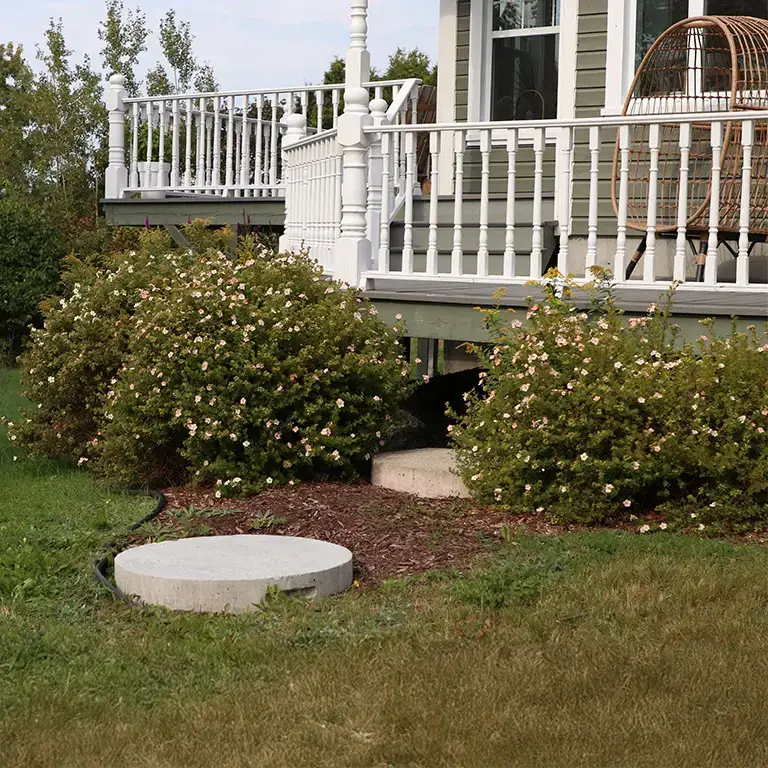
What to check before you buy
Before you purchase a property with a septic system, make sure you know:
- what type of system the property has
- the age and condition of the system
- whether it meets current regulations
- when it was last emptied and serviced
- whether the system is shared with another property
The importance of a pre-purchase septic inspection
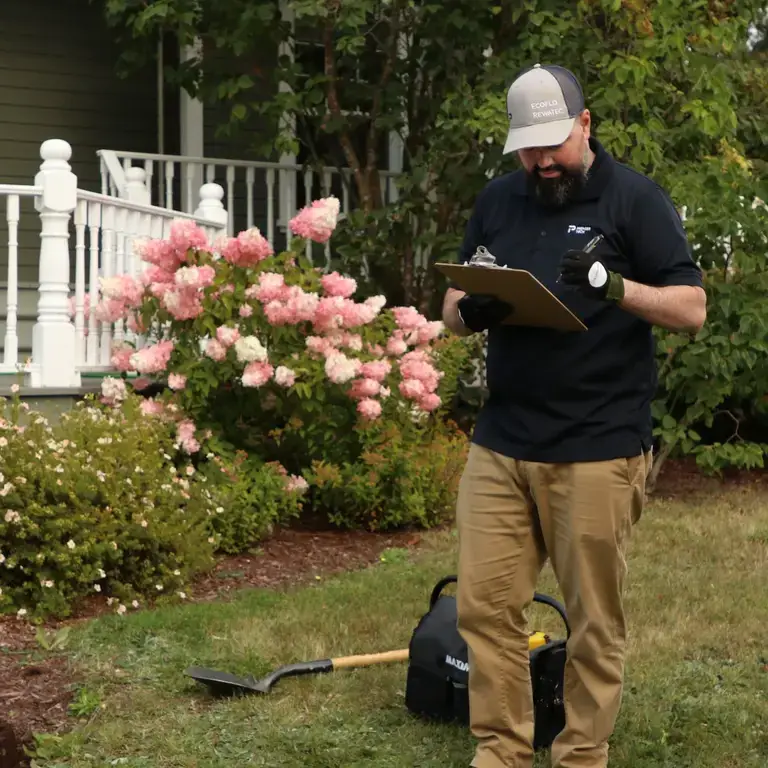
A pre-purchase septic inspection — called a Time of Transfer inspection in Iowa — is the single most important step you can take before buying a property with a septic system
It's separate from a standard home inspection and covers the condition of the system, its compliance with current regulations, and any work that may be needed.
The cost of an inspection is modest compared to the cost of taking on a system that needs replacing. And if the inspection does reveal problems, you're in a much stronger position to negotiate — or walk away — before it's too late.
Have the septic system inspected before you buy
Who pays for the inspection and any required work?
In most cases, the buyer requests and pays for the inspection as part of their due diligence. Some sellers arrange an inspection before listing, which can support their asking price and speed up the sale.
If the inspection identifies issues, the cost of any required work is usually factored into negotiations. The seller might carry out the work and maintain their asking price, or reduce the price to reflect the cost of upgrades.
As a seller, you are generally expected to disclose the existence and condition of your septic system to prospective buyers.
Some states require a formal written disclosure before a buyer can sign a purchase agreement. Others rely on case law — meaning there's no mandatory form, but sellers can still be held liable for withholding information about known defects.
If your system has issues, it's a good idea to address them before closing, either by making upgrades or by agreeing with the buyer how the cost will be handled. A problem discovered mid-transaction can delay or derail your sale.
The best approach is to get ahead of it. A septic inspection before you list gives you a clear picture of where you stand and puts you in control of how any problems are resolved.
Get a clear picture of your system before you sell
Whether you've just bought a property with a septic system or have owned one for years, understanding your ongoing responsibilities is important.
Regular pumping and maintenance
Maintenance is different based on what type of septic system you have.
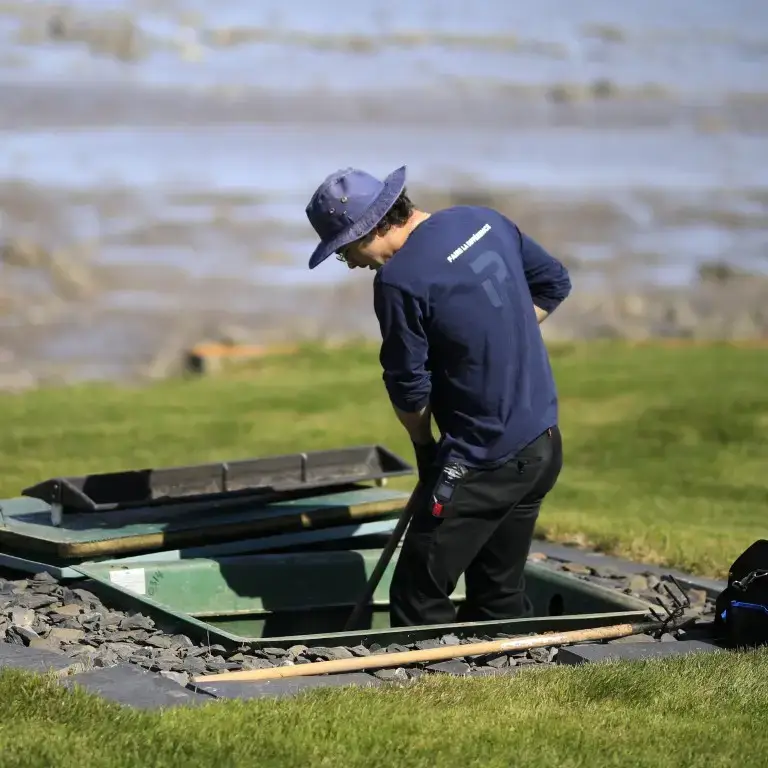
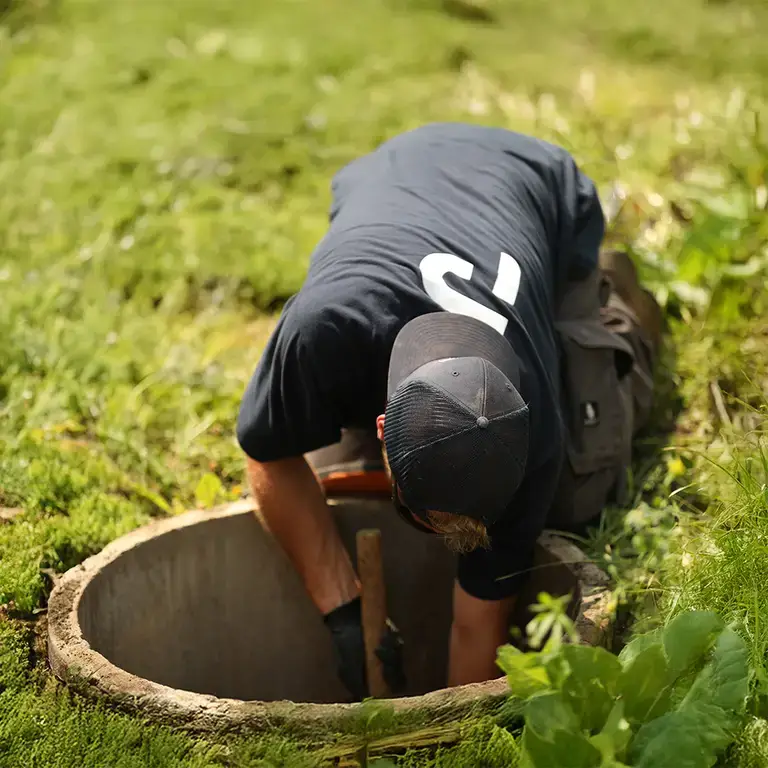
With traditional systems, septic tank pumping is an important part of ongoing maintenance. If the system serves your permanent home, we recommend having your tank pumped every 3 to 5 years. If it’s for a cabin or other secondary residence, pumping every 5 years usually works well.
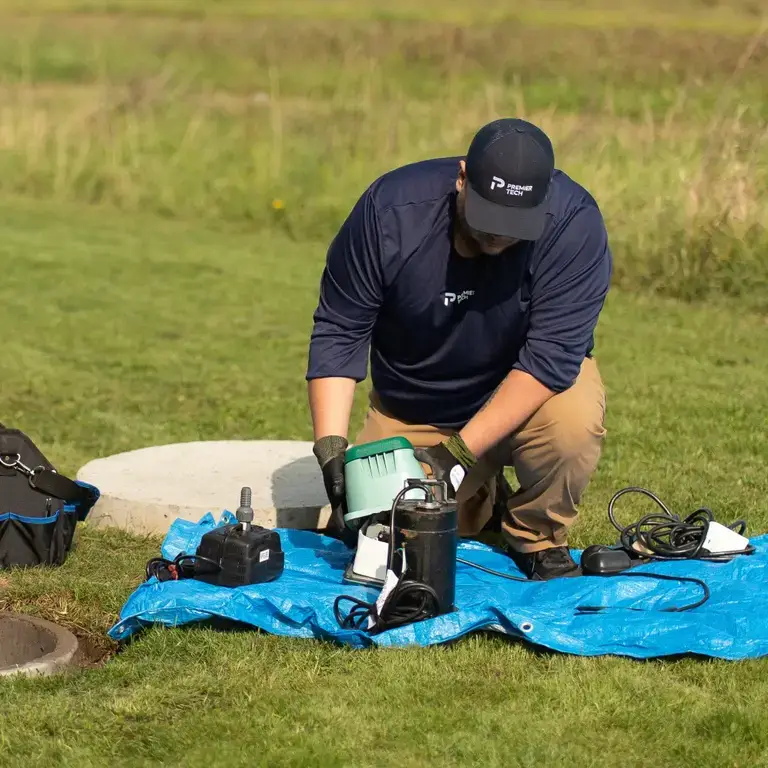
Advanced secondary or tertiary treatment installations are a little different. They often require annual maintenance tailored to the technology being used. We recommend contacting your system’s manufacturer for specific maintenance instructions.
Proper care
In addition to regular maintenance, there are basic guidelines you can follow to keep your septic system healthy. Here’s a list of dos and don’ts to protect your installation and prevent problems down the line.
Do:
- split your laundry into multiple loads throughout the week
- fix plumbing leaks
- divert downspouts away from your septic system
- keep your septic lids accessible
- clean your septic tank's effluent filter every 6 months
Don’t:
- open or go inside your system
- use septic additives or shock treatments
- flush harsh chemicals, paints, or solvents down the drain
- use a garbage disposal system
- put oil, grease, or food scraps down the drain
- put heavy objects or structures on or near your system
- plant trees on or near your drain field
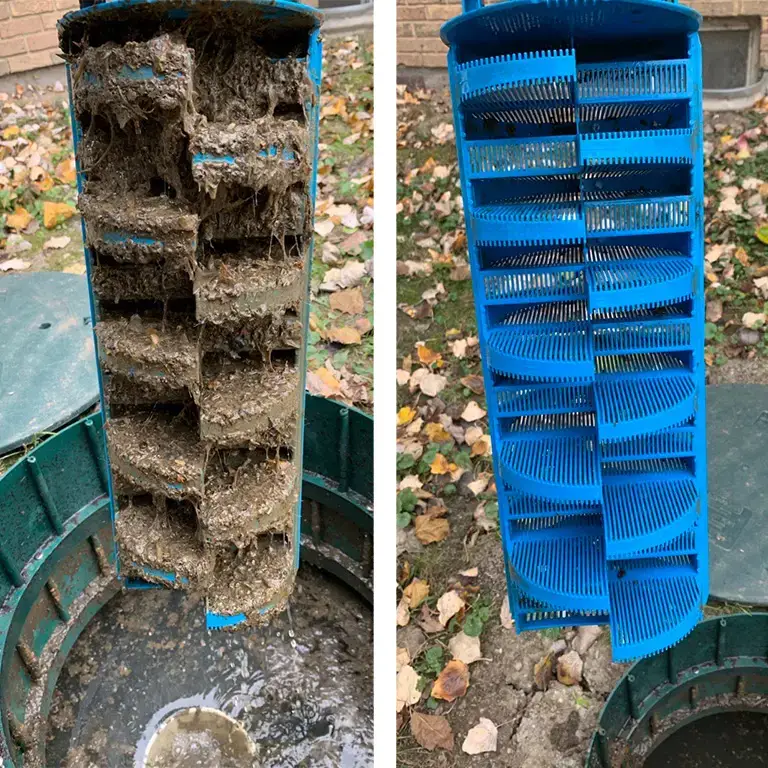
Clean your septic tank's effluent filter every 6 months to prevent clogging.
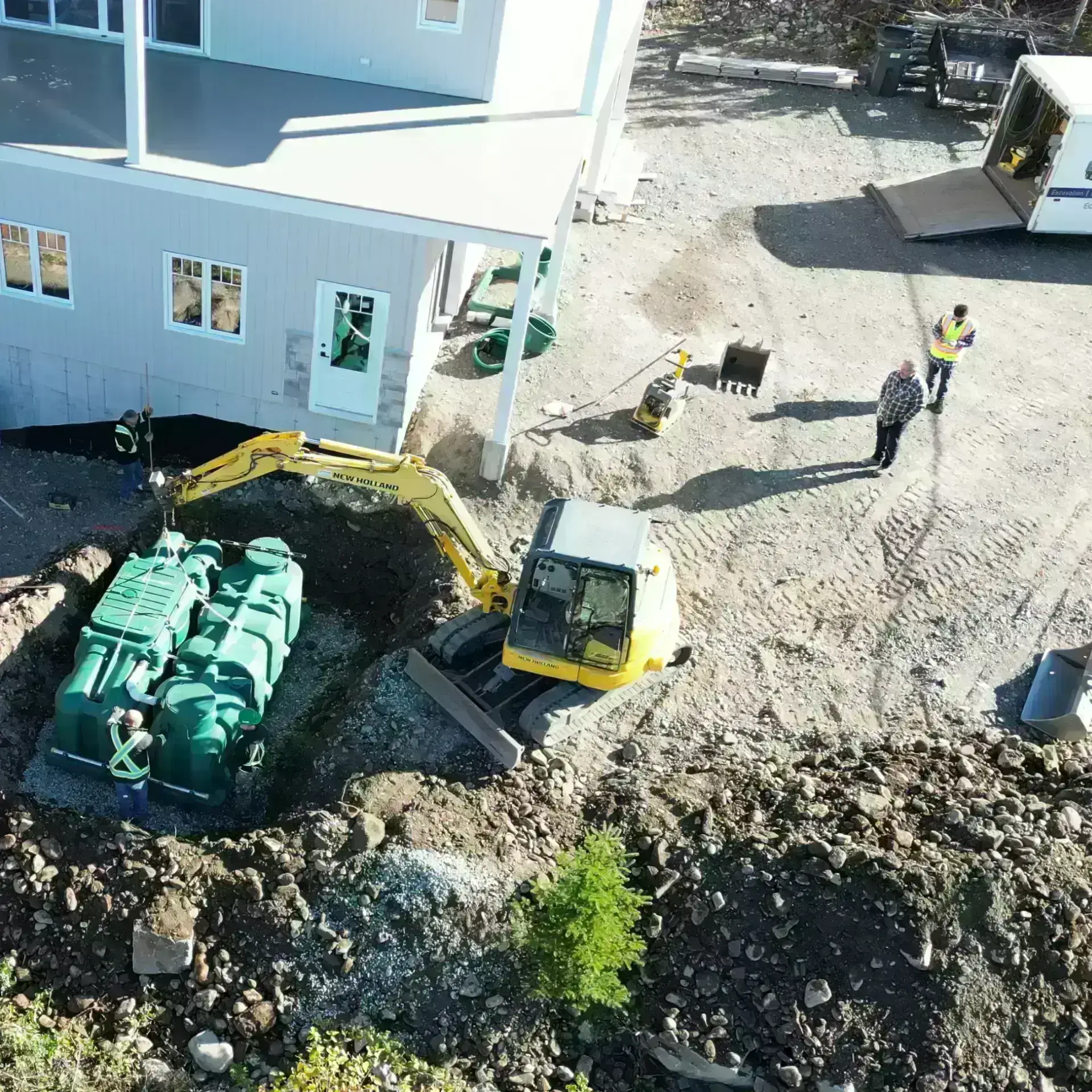
Where to get help
Navigating a rural property transaction — or taking on a septic system for the first time — can feel overwhelming. But with the right information and expert support, it's more manageable than you might think.
Whether you're buying, selling, or simply trying to understand what you've got, we're here to help.