


Your options if your septic system needs expanding
Making changes to your home is exciting. But if you have a septic system, those changes may have implications that are worth understanding early.
This guide explains how changes to your property can affect your septic system, what the outcome might be, and what to do next.
Whatever your situation, we can help you make sure your system is ready for what's ahead.

Why you might need to expand your septic system
Your septic system may need expanding if:
- you are planning a home extension that will add bedrooms
- you are converting a garage or barn into living space
- you are welcoming permanent new occupants
- your household has grown and your system has been struggling to keep up
- your local authority has flagged your septic system as part of your building permit review
If any of these apply to you, you're in the right place.

How property or household changes impact your septic system
Your septic system was designed for your property at a specific point in time.
The size of your system — the septic tank, the drain field, and everything in between — was calculated based on the number of bedrooms in your home. That calculation follows regulations that govern how septic systems are sized in your state or county.
When your property changes, the demand on your system changes too. For example, a septic tank or drain field that handled three occupants may not be right for five.
That isn't a flaw in your system. It simply has a fixed capacity, and that capacity was set at the time of installation.
Make your septic system part of your early planning
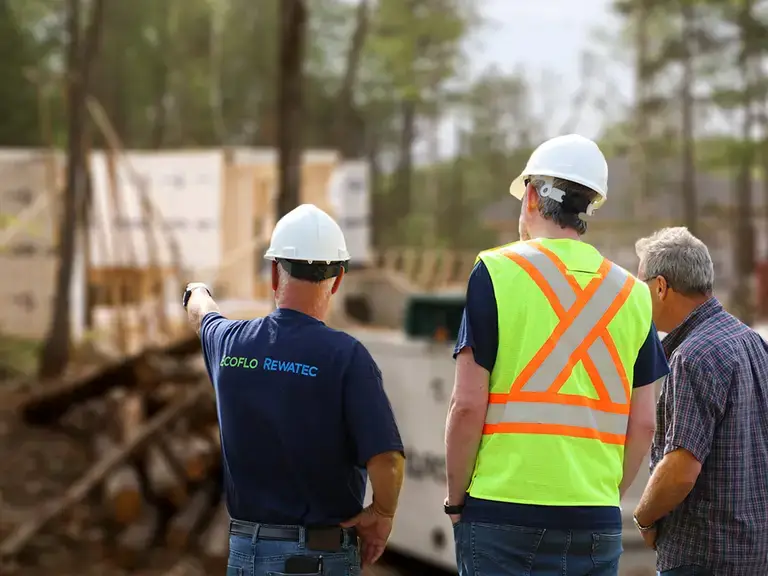
There's a lot to think about before your property or household changes, and it's easy to overlook your septic system. But it needs attention early in the process — not at the end.
Contact your local health or environmental department before your expansion plans are finalized or submitted for a building permit.
Once they are in the loop, the process usually works like this:
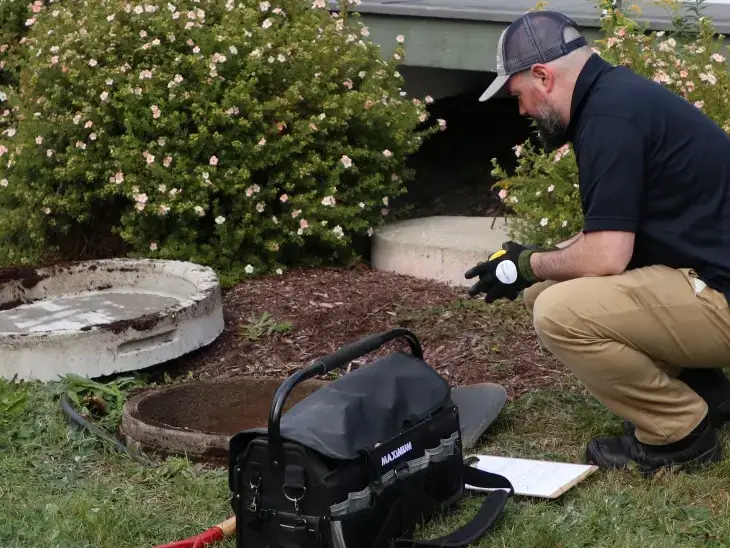
- A septic professional evaluates your existing system and assesses whether it can handle the increased demand.
- They produce a report confirming whether your system is adequate or whether an upgrade is needed.
- You include the findings in your building permit application.
- Your local authority reviews the septic findings as part of their approval.
Leaving these steps until late in the process is a common mistake. It can cause delays, unexpected costs, and complications that are difficult to resolve mid-project.
The most common ways your system might need to change
When you change your property or household, your septic system may need to change too. How much depends on your site, your existing system, and the nature of your plans.
In most cases, there are three possible outcomes:
- Your existing system is adequate
If your system has enough capacity to handle the change, no upgrade is needed. Get written confirmation of that fact and your project can move forward. - Your existing system needs upgrading
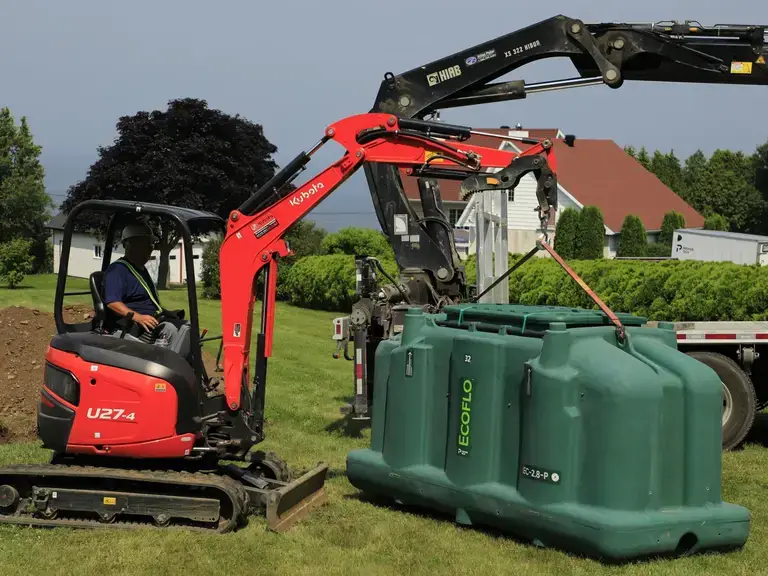
If your system cannot handle the increased demand, it will need to be upgraded. That could mean a larger septic tank, an extended drain field, an additional treatment stage, or a combination of these. The exact upgrade depends on your site and your existing system. - A separate system may be needed
If you are adding a detached structure or accessory dwelling unit far from your home, connecting it to your existing system may not be practical. In that case, a separate system is likely the right solution.
To know which outcome applies to your situation, contact your local health or environmental department. They will evaluate your plans and explain next steps.

Does your system need an upgrade?
From system design to installation, we can manage every step of your project from start to finish. Get in touch and we'll walk you through your options at no charge.
