


What to do about smells from your septic system
An unpleasant odor from your septic system can be a minor nuisance or a sign that something needs attention. Either way, you're in the right place.
This guide helps you identify where the smell is coming from and what to do next.
Whatever the cause, we can help you get to the bottom of it.
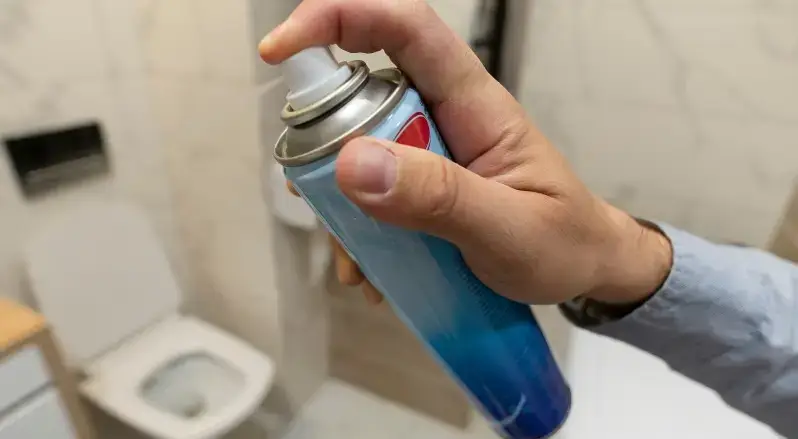
You notice a mild septic smell from one drain
If you smell something unpleasant from a single sink, bathtub, shower, or toilet — but everything else seems normal — the cause is likely minor and often something you can fix yourself.
Signs that point to a minor indoor issue:
- a rotten egg or sewage-like smell from a specific drain
- the smell is mild or comes and goes
- the affected drain is in a room that isn't used very often
- no slow drains or other symptoms elsewhere in the house
- no unusual smells outdoors
Every drain in your home has a small curved pipe underneath it called a P-trap. It holds a little water to block sewer gases from entering your house. If a drain hasn't been used for a while, that water evaporates and the smell gets through.
Debris build-up in the drain itself can also produce an unpleasant smell over time.
What to do next
In most cases, this is something you can fix yourself — no specialist needed.
Try running water down the affected drain for 30 seconds. If the smell persists, clean the drain cover and try pouring boiling water or a mixture of baking soda and vinegar down the drain.
If the smell continues after trying these steps, it's worth calling a specialist to investigate further.

You have septic smells in multiple rooms
If a septic smell spreads to multiple drains or rooms, it's likely that something inside your system needs professional attention.
Signs that point to a more serious issue:
- a sewage or rotten egg smell from multiple drains or rooms
- the smell remains even after running water down unused drains
- the smell is stronger after heavy rainfall or periods of high water use
- mild gurgling from drains
These signs usually point to one of three causes:
- a blocked plumbing vent — the pipe that runs through your roof to let sewer gases escape outside
- a full or overloaded septic tank that is pushing gases back through your pipes
- a drain field that is beginning to struggle
What to do next
In many cases, this needs professional attention.
If you suspect the plumbing vent on your roof is blocked, you can remove debris with a plumber's snake. If the problem persists, or if you're not comfortable with heights, a plumber can take care of it for you.
If you've ruled out your vent pipe, contact a specialist who can identify the source of the smell and tell you what to do next.
While you wait:
- reduce water use in your home where possible
- if your septic system has a control panel, note any indicators or lights
- check when the smell is strongest and where — this makes diagnosis easier
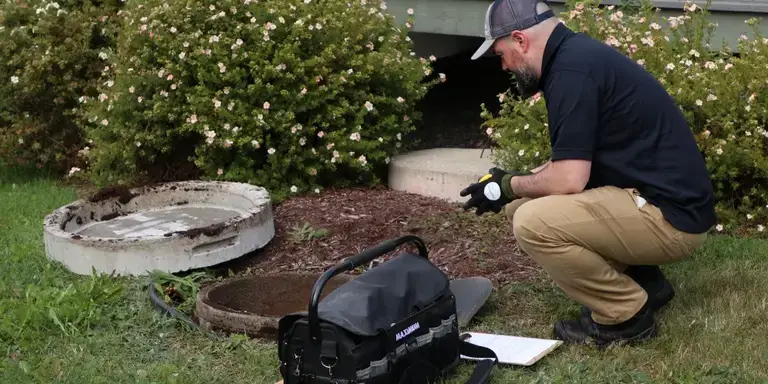
You smell a strong sewage odor outside
If you notice a sudden, especially strong smell near your septic tank, septic vent pipe, or drain field, your system may be in trouble.
Signs that point to a system under serious stress:
- the ground above your drain field feels soft or spongy
- unusually lush or fast-growing grass above your drain field
- the smell is worse after heavy rain or periods of high water use
- slow or blocked drains in your home
- gurgling or bubbling sounds from indoor drains
This usually means your septic tank is overloaded and needs pumping, or your drain field is struggling to absorb wastewater.
What to do next
An unusually strong smell from your septic system may be a warning before it fails. Do not ignore it.
Call a specialist now. Acting quickly gives you the best chance of resolving the problem before it gets worse.
While you wait:
- reduce water use in your home immediately
- keep children and pets away from your drain field
- note when the smell is strongest and whether it's getting worse

Still not sure what's causing the smell?
Odors can be hard to diagnose without a proper inspection. If you're not sure what's causing the problem, we're here to help.
Tell us what you're noticing and we'll take it from there.
