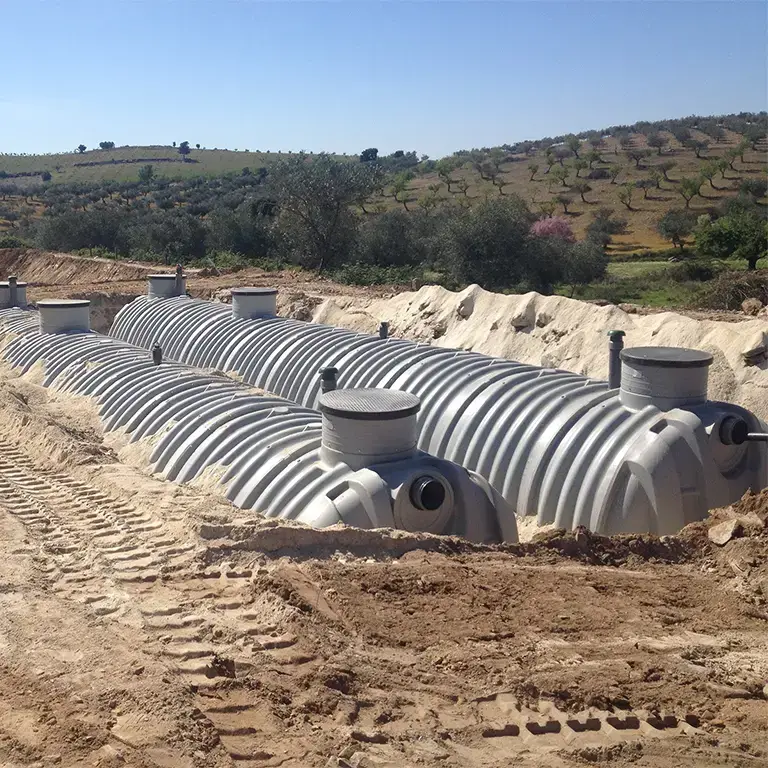
If you just bought your first property with a septic tank, you may have questions about on-site sewage treatment. But before you start learning about wastewater treatment processes, take some time to get the answers to two basic questions:
What is wastewater?
In the simplest terms, wastewater is any water that has been polluted by humans. This includes water contaminated as a result of:
- flushing toilets and urinals (this waste is known as blackwater)
- bathing, showering, and washing clothes and dishes (greywater)
- commercial and industrial activities
As you would expect, wastewater is almost entirely water. The remaining portion — roughly 0.1% — contains organic matter, inorganic compounds, nutrients, and microorganisms that need to be explored in more detail.
Organic matter
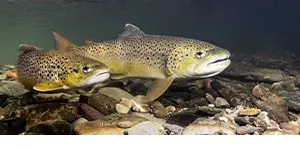
Organic matter in wastewater includes proteins, carbohydrates, fats, oils, greases, and synthetic compounds found in certain detergents.
Without proper treatment, organic matter enters lakes and rivers and becomes a food source for the microorganisms that live there. The problem is that these tiny creatures pull dissolved oxygen from water when they break down pollutants. The more pollutants there are in the water, the greater their demand for oxygen.
This process spins out of control in lakes and rivers with high concentrations of organic matter. In these watercourses, oxygen levels fall so low that animals like fish, frogs, and turtles suffocate and die.
Inorganic compounds
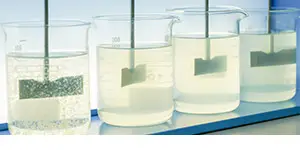
Inorganics in wastewater include compounds with copper, lead, magnesium, nickel, potassium, sodium, or zinc. In many cases, these harmful substances are the by-products of commercial and industrial activities.
Inorganics do not break down easily. If they enter lakes or rivers via untreated wastewater, they remain there. As their concentrations increase over time, the water quality becomes a hazard for humans and animals alike.
Nutrients
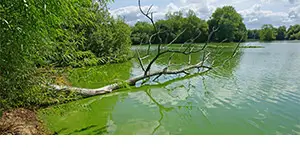
Nutrients in wastewater include nitrogen and phosphorus compounds. These often come from human waste and cleaning products like laundry detergent and dishwasher soap.
It is no secret that nitrogen and phosphorus are common ingredients in fertilisers. They work wonders when we want to make plants grow and reproduce. But this advantage becomes a serious threat if we allow untreated and nutrient-rich wastewater to enter lakes and rivers.
High concentrations of nitrogen or phosphorus can lead to "dead zones" in watercourses. The process goes like this:
- Excess nutrients feed the growth of large algae blooms.
- Algae blooms prevent sunlight from reaching plants below the water's surface.
- Native plant species die without sunlight.
- Bacteria that feed on decaying plant matter multiply.
- Growing populations of bacteria consume more and more dissolved oxygen in the water.
- Fish and other aquatic species that need oxygen leave the watercourse or die.
Nitrogen in untreated wastewater can cause another problem. If nitrate (a nitrogen compound) pollutes our drinking water, it can reduce our blood's ability to transport oxygen. For infants, this can lead to what is commonly known as blue baby syndrome. In extreme cases, the condition is fatal.
Microorganisms
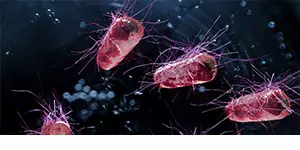
Some microorganisms in wastewater are helpful because they break down organic matter that would otherwise pollute the environment.
Pathogens in untreated wastewater are a different story. These bacteria, parasites, and viruses can contaminate clean water sources. If they do, they undermine human health by causing serious and sometimes deadly illnesses.
Perhaps the best-known example took place in Walkerton, Ontario, Canada. In May 2000, the town's drinking water supply was tainted with E. coli bacteria after municipal wastewater was improperly treated. More than 2,300 residents became ill and seven people died.
Why is wastewater treatment important?
A closer look at wastewater makes it easy to see why we must treat it before it is released back into the environment.
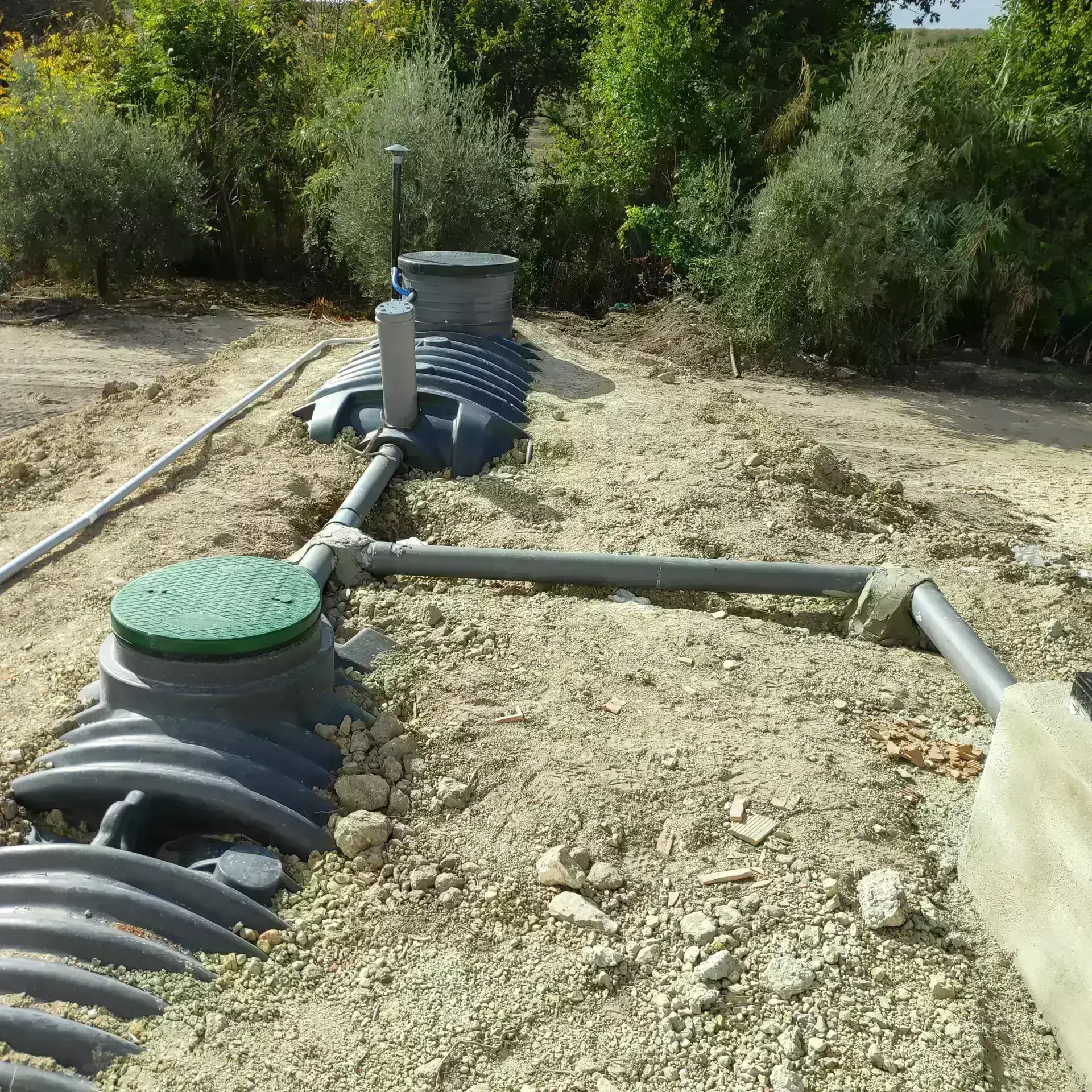
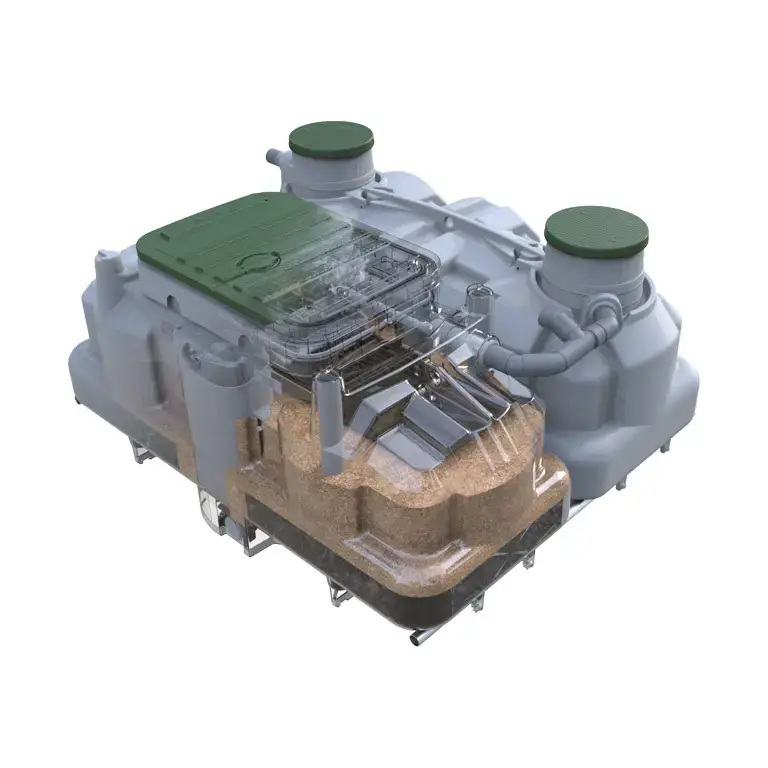
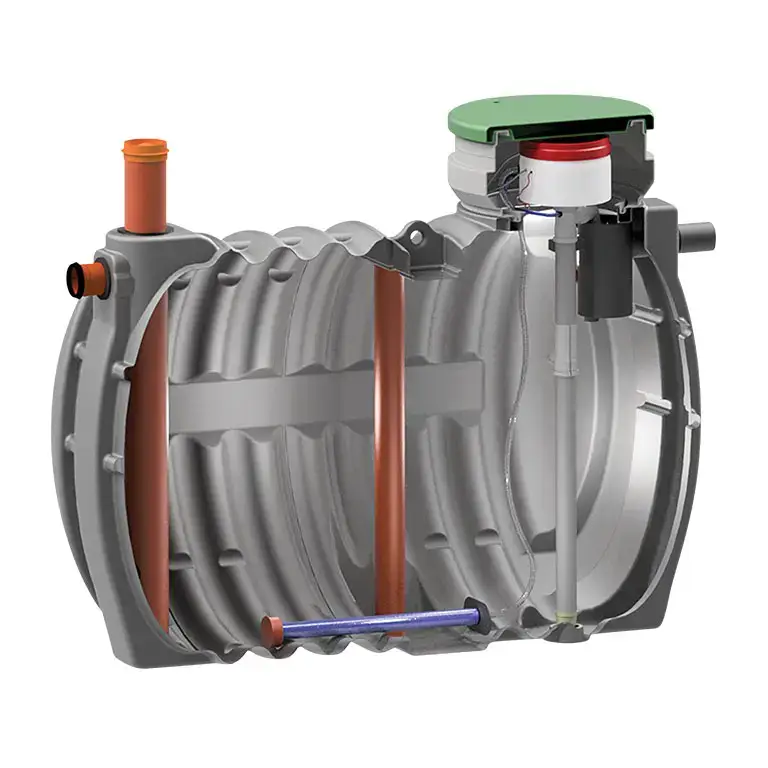
Think of your on-site wastewater treatment plant as a water conservation tool. By removing suspended solids and other pollutants, your system prevents groundwater and water pollution that could lead to:
- tainted drinking water
- water scarcity and water shortages
- foul lakes and rivers
- lower numbers of aquatic species
- dangers to livestock
- reduced waterfront property values