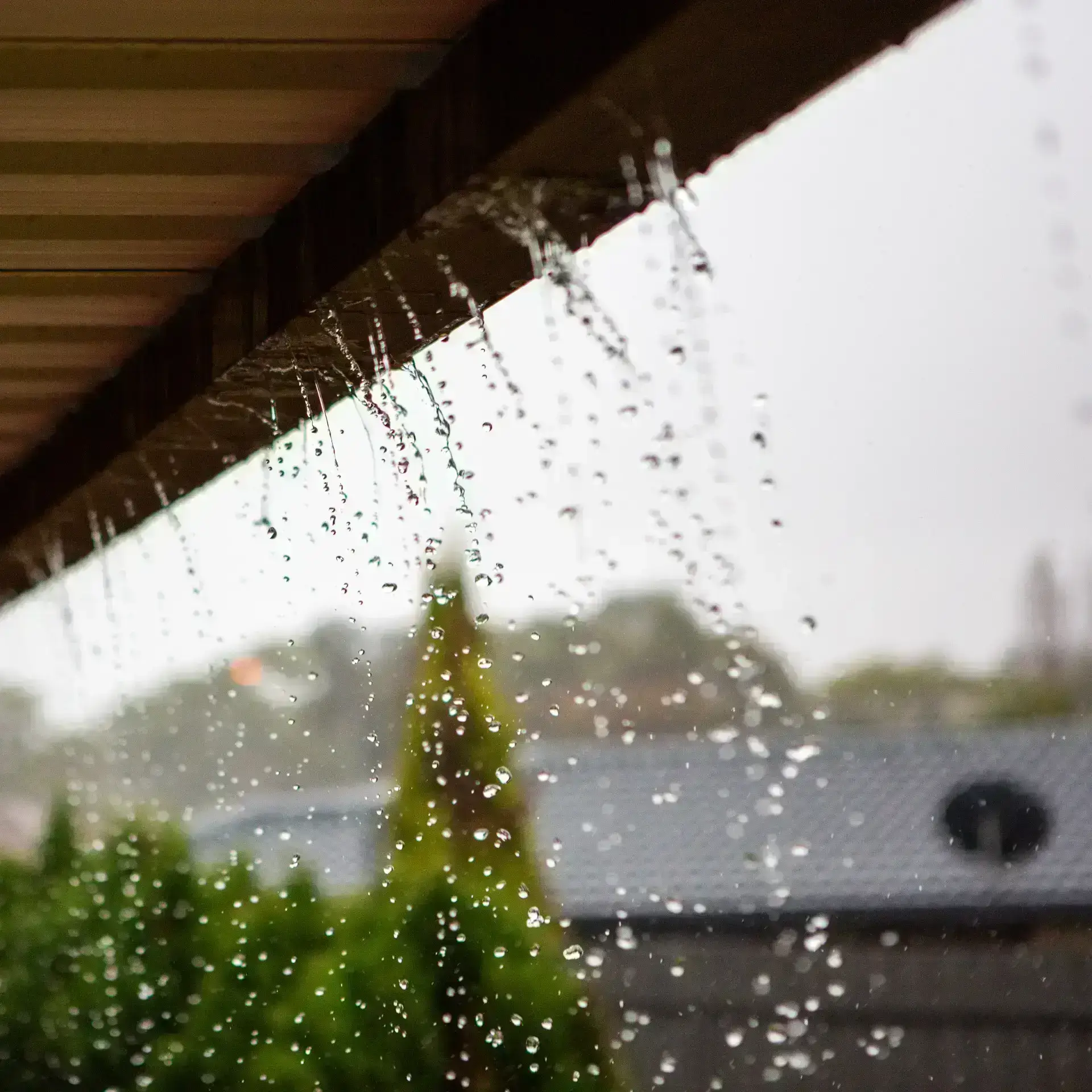
Is rainwater harvesting worth it for green homeowners, business leaders, and local governments? Absolutely. The value of this time-tested practice is greater than ever thanks to its many benefits. Harvested rainwater can help you:
What is rainwater harvesting?
Rainwater harvesting is the collection and storage of rainwater for non-potable uses.
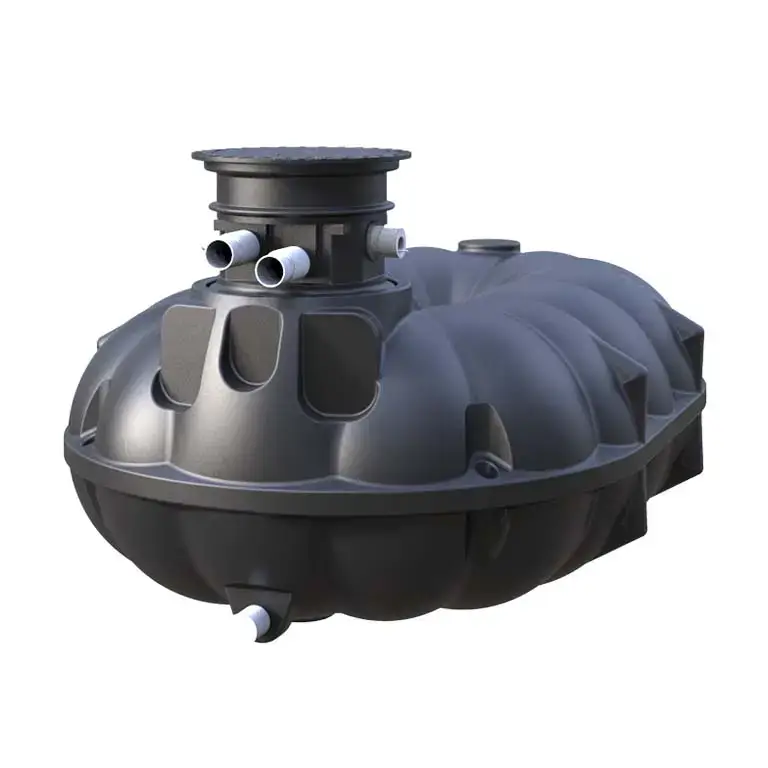
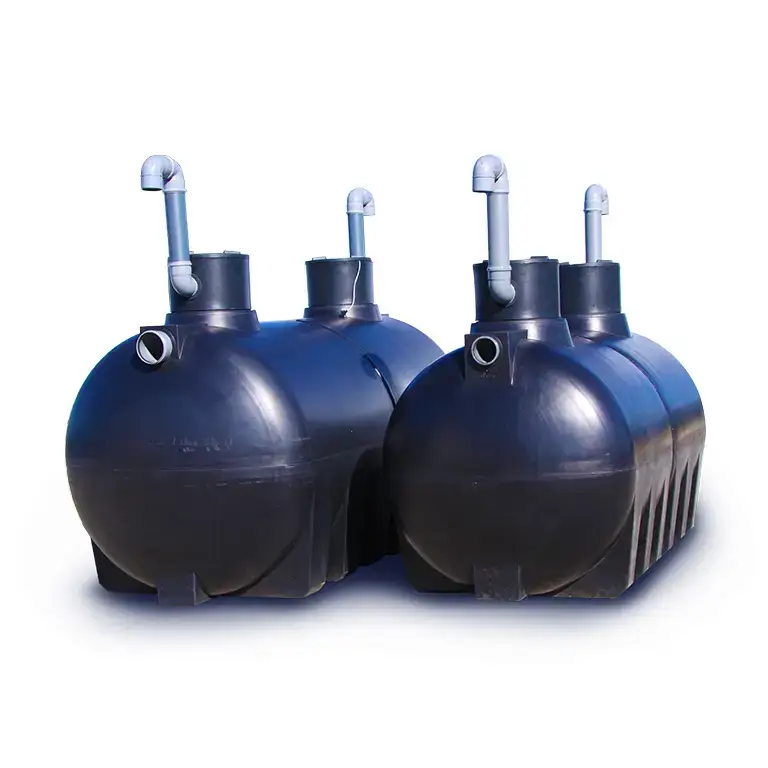
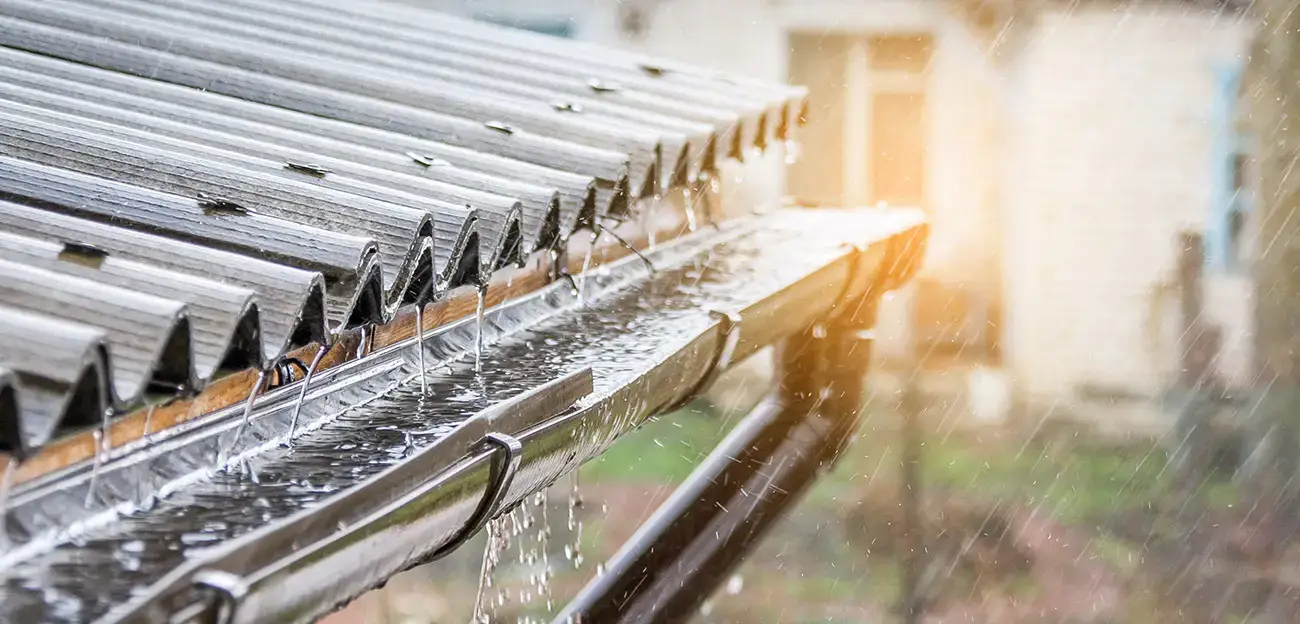
Simple harvesters use rain barrels, trenches, retention ponds, or dams. More complex harvesters include surface water and rooftop collection systems. These systems connect to water storage tanks that feed indoor and outdoor plumbing.
Environmental benefits of rainwater harvesting
Water harvesting is a simple and sustainable way to protect our planet’s natural resources and delicate ecosystems. When we use harvested rainwater, we conserve groundwater, save energy, limit the damaging effects of stormwater runoff, and bring out the best in our lawns and gardens.
Rainwater conserves groundwater
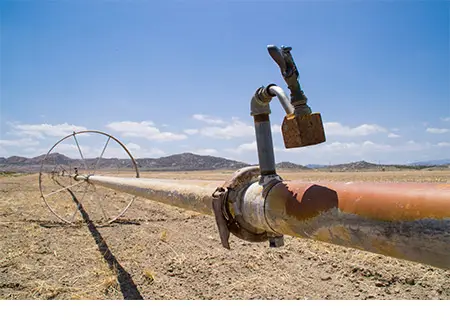
As climate change accelerates, droughts are becoming common in many areas. Some communities, farms, and industrial sites are now turning to groundwater extraction to meet growing demand. But this water-sourcing practice can be destructive.
Aquifers may be tainted by fertilisers, pesticides, or other chemicals. If we empty these underground water supplies faster than they can be replenished:
- the relative concentration of pollutants increases
- the water quality decreases
- over time, the water becomes unsafe for our drinking needs
When we choose rainwater collection over groundwater extraction, we give aquifers a chance to naturally refill. In doing so, we conserve and even enhance our local water supply.
Rainwater saves energy
In most cases, the water that comes out of our taps is treated and piped by municipal systems. Consider the energy demands of these systems:
- water treatment plants need electricity
- pumping stations use power
- machines that repair sewer and water lines burn fossil fuels
These resources are well spent when they protect our drinking water. But we waste them if we use potable water for tasks that do not need it. The greenest way to flush your toilet, wash your clothes, and water your lawn is to make use of available rainwater.
Rainwater harvesting limits stormwater runoff
Stormwater comes from rain and melted snow. When it is not absorbed in the ground, it stays on the surface and sweeps sediment, metals, pesticides, and fertilisers into water catchment areas. Pollution in these areas can lead to:
- harmful algae blooms in lakes and rivers
- illnesses in humans and livestock
- toxins in fish and shellfish
- fewer aquatic species
The force and volume of stormwater runoff can flood low-lying areas and erode streambanks and riverbanks. This damage results in the loss of once usable land. It also causes long-term changes to local ecosystems.
Rainwater systems limit these harmful effects. By managing stormwater surges on site, they prevent debris from entering the watershed. They also take pressure off storm sewers that might otherwise be overwhelmed.
Rainwater nourishes plants
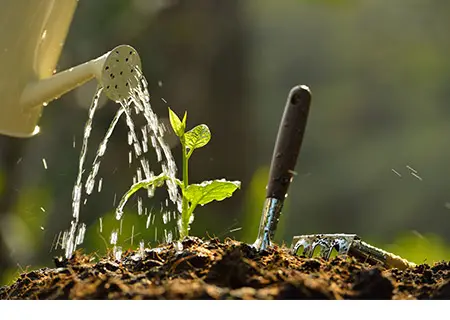
Ask any gardener and they will tell you how valuable even the simplest rainwater systems can be. The rain they harvest is better than treated water for plants because it is:
- soft (low in calcium and magnesium)
- free of harmful salts, treatment chemicals, and heavy metals
- a source of nitrogen compounds (called nitrates) that help plants grow
- slightly acidic, which helps plants absorb nutrients in soil
Economic benefits of rainwater harvesting
Many jurisdictions directly bill residents for the municipal water they use. By collecting and storing rainwater on your property, you can slash your consumption of treated water and lower your water bills indefinitely.
Long-term savings make the purchase and installation of a rainwater harvester a cost-effective choice. The exact payback period varies according to the technology you choose and the size of your installation. But because most systems have low operation and maintenance costs, you will see a return on your investment.
Rainwater systems offer indirect savings too. Municipal taxes cover the cost of managing, treating, and distributing millions of litres of water. We can lower these water costs — and our taxes — by reducing the strain we put on public systems.