How much does a septic system cost in Ontario?
Last updated on April 27, 2026
If you're anxious about the cost of a septic installation, you're not alone. It's the first question many homeowners ask.
To give you a starting point, a complete septic project in Ontario typically costs between $28,700 and $67,500. That estimate covers everything, from your soil test, design, and permits to your components and installation.
It’s a wide range, and that's normal. No two properties are the same. The condition of your soil and the specifics of your site determine which system is appropriate for your property, and that has a major impact on the final cost.
In this guide, we break down every cost layer of a septic system project. All price ranges reflect Ontario as a whole and are not specific to any one manufacturer or installer.
Understanding what drives the cost of a septic system helps you plan smarter and avoid surprises. Four factors matter most: the type of system, its configuration, its size, and the tank material.
The type of system
In Ontario, most septic systems fall into one of two categories, each suited to different site conditions:
- Conventional septic systems
These systems use a septic tank combined with a gravity-fed drain field (often called a leaching bed field). They are common because they are well-suited to properties with good soil drainage and sufficient land. - Advanced or alternative treatment systems
These systems are designed for sites where conventional systems aren't feasible. This may be due to poor soil, limited space, a high water table, or a nearby body of water. Examples include compact biofilters and combined treatment and dispersal systems.
Your soil, available surface area, water table depth, slope, and proximity to wells, water bodies, and property lines determine which category is right for your site.
A licensed septic designer will assess these factors and present system types and product options for your needs.
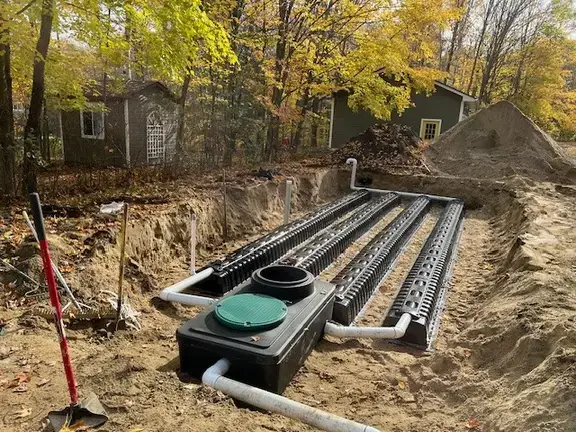
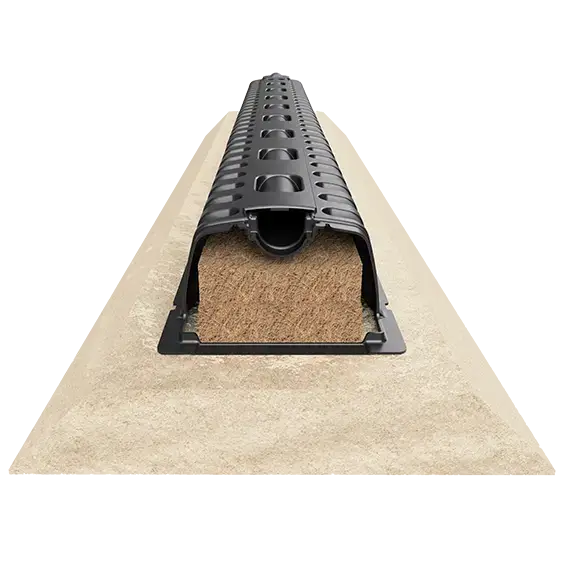
The Ecoflo linear biofilter, a combined treatment and dispersal system.
Your system's configuration
Your septic system may need to be installed in a specially adapted configuration to treat wastewater effectively.
These configurations require additional components or materials, which can increase your system’s overall cost:
- Pressure distribution system
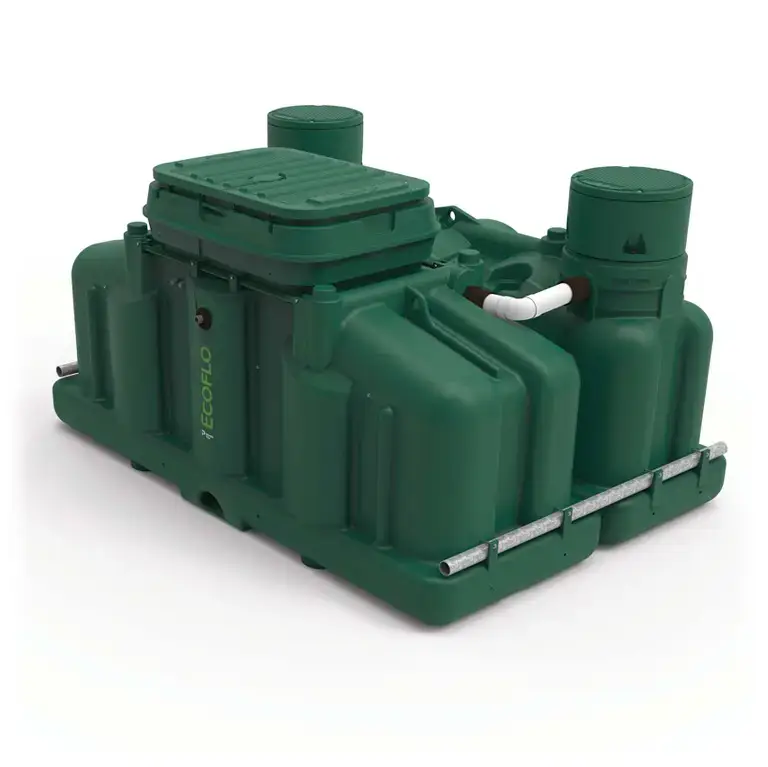
This configuration uses a septic tank with a pump that pushes effluent to your drain field. It is often recommended for sites with clay soil, sloped terrain, or long distances between the septic tank and drain field. - Raised bed system
This configuration uses a septic tank with a pump that pushes effluent to a raised drain field. It is used for sites with heavy clay or silt, shallow bedrock, or high groundwater.
Pressure distribution systems tend to cost more because they need extra pump components. Even though raised beds use more materials, they usually come in at a lower price point due to a simpler pump setup.
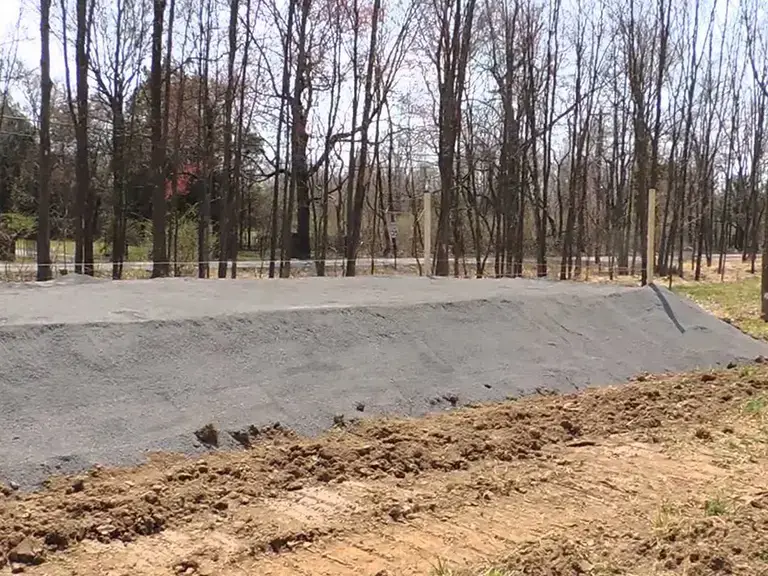
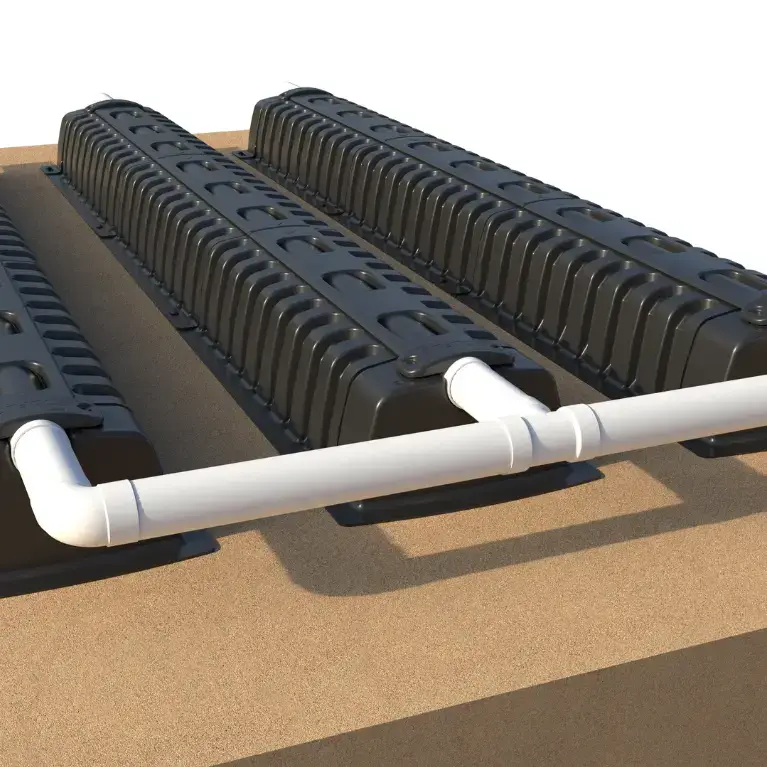
A raised drain field may be used on sites with challenging soil conditions.

Your system's size
The larger your home, the more wastewater it produces — and the bigger the system you need to handle it. Larger systems are more expensive, especially when you factor in the cost of materials like sand, gravel, and backfill.
The tank material
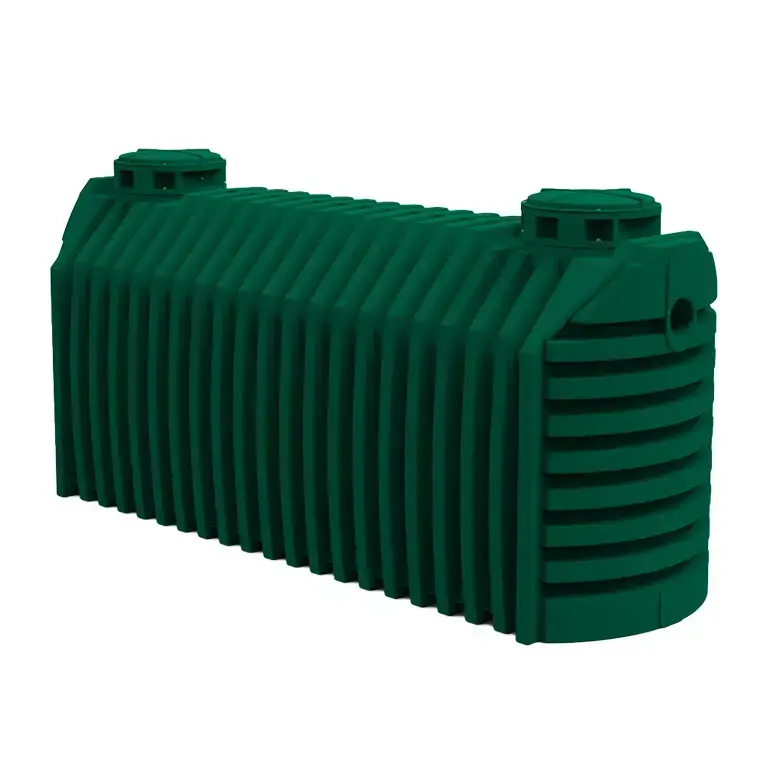
Septic tanks and other treatment tanks are made with concrete or polyethylene.
Concrete is robust and well-suited to high water tables, but generally more expensive. Polyethylene is lighter, corrosion-resistant, easier to install on sites with difficult access, and often more economical.
Your septic designer will recommend the right material based on your site conditions.
Before your septic system can be installed, you need a site assessment and soil percolation test, a system design, and a permit.
These steps have different costs, so it's important to plan and budget for them from the start. Leaving things to the last minute may narrow your options and increase the amount you pay.
| Project step | Who handles it? | Estimated cost |
| Site assessment and soil test | Licensed designer or engineer | $200 - $500 |
| Site plan and system design | Licensed designer | $1,500 - $5,000 |
| Permit | You apply to your local authority | $1,000 - $3,000 |
When the physical work begins, your septic installation has three main cost categories:
- components like tanks and piping
- materials, including gravel, sand, and backfill
- excavation and labour
What you pay for each depends on your location, site conditions, and the complexity of the installation.
Depending on your site, you may have additional expenses for tree clearing, extra material hauling, or restoring driveways or landscaping after installation. To avoid surprises, discuss these points with your designer and installer before work begins.
| System type | Components | Materials | Excavation and labour | Estimated total |
| Conventional septic system | $4,000 - $5,000 | $12,000 - $22,000 | $10,000 - $15,000 | $26,000 - $42,000 |
| Advanced or alternative treatment system | $5,000 - $14,000 | $15,000 - $30,000 | $10,000 - $15,000 | $30,000 - $59,000 |
Now that we have broken down each cost layer, here is what a complete septic installation project looks like from start to finish in Ontario.
| System type | Pre-installation costs | Installation costs | Total estimated cost |
| Conventional septic system | $2,700 - $8,500 | $26,000 - $42,000 | $28,700 - $50,500 |
| Advanced or alternative treatment system | $2,700 - $8,500 | $30,000 - $59,000 | $32,700 - $67,500 |
A septic system installation has a lot of moving pieces: designers, permit authorities, excavation contractors, installers, and inspectors. It can feel like you're endlessly leaving messages and chasing quotes. It's time-consuming and exhausting, especially when you already have a busy life.
Working with a single point of contact changes everything. You get someone who knows the process, manages your project, and keeps everything on track, so you don't have to.
That's exactly what we do at Premier Tech. We've been helping Ontario homeowners get their septic systems installed for decades. Our support is free, comes with no obligation, and guides you from your very first question to the day your system is installed — and beyond.
Are there financial aid programs for septic systems in Ontario?
There is no universal provincial or federal grant program for septic system installations or replacements in Ontario. That said, your local conservation authority or municipality may offer grants or subsidies. It's worth checking before you begin your project.
What are the ongoing maintenance costs for a septic system in Ontario?
Plan for a septic tank pump-out every 3 to 5 years, or when one-third of your tank's volume is filled with solids. Septic tank pump-outs typically cost around $500.
Advanced treatment systems may also require an annual maintenance contract. The price varies according to your system type and service provider. Research these details early so you can add the expense to your budget.
A well-maintained conventional system often lasts 20 to 25 years. Lifespans for advanced treatment systems can be similar, or even longer, but they vary by product. In all cases, regular maintenance is the best way to maximize the longevity of your system.
Does a new septic system add value to a property?
Yes. In Ontario, a septic inspection is required as part of most real estate transactions. A system that is non-compliant or failing can complicate a sale and give the buyer leverage to negotiate a lower price. A modern, compliant system is a solid asset in the seller's favour.