What is the best septic system if you fail a percolation test?
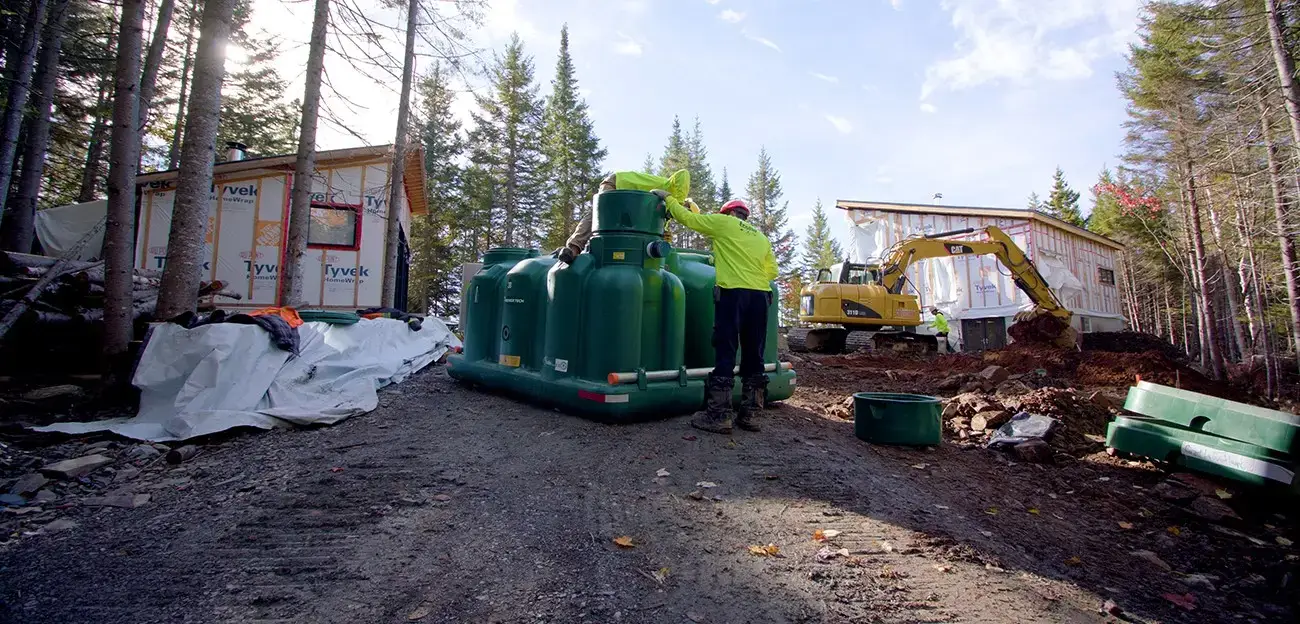
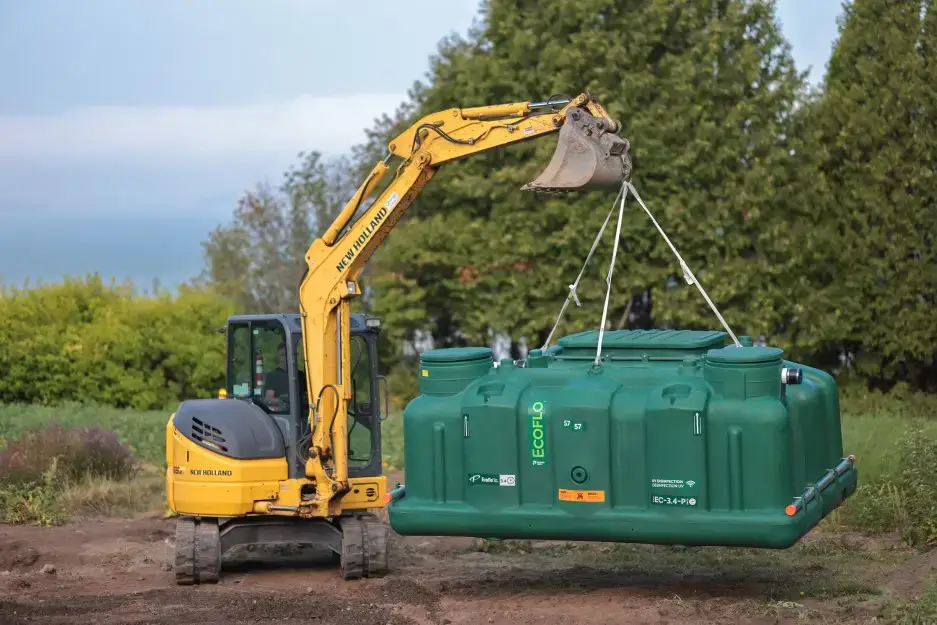
Ecoflo compact biofilter installation on land that won't perc.

You’ve bought a lot to build your new home away from the city, and it’s perfect. The plans are going smoothly — until you fail the soil percolation test for your new septic system. Suddenly your dream home feels like a dead end.

The good news is that you have options. With the right septic system, you can keep your project on track, even if your land fails a perc test.

In this article, we’ll explain what a percolation test is, why it matters, and what to do if your land is not suitable for a conventional septic tank system. We’ll also explain why the Ecoflo compact biofilter is the ideal septic system for properties with challenging soil conditions.

What is a soil percolation test and why does it matter?

A percolation test measures how quickly water drains through your soil. It’s usually done by a soil scientist, engineer, or another accredited professional.

For properties not connected to a municipal sewer, on-site septic systems handle wastewater treatment in stages. Many systems discharge effluent into soil for final purification. Natural microorganisms in the soil break down contaminants before water reaches groundwater or nearby water sources.

The catch is that soil needs to drain at a certain rate to treat wastewater. If it drains too quickly, wastewater passes through before pollutants are effectively removed. If it drains too slowly, wastewater can pool at the surface, creating health risks for you and your family.

Percolation tests confirm if your soil can absorb and filter wastewater properly, which helps protect nearby groundwater and surface water.

What is a good percolation rate for a septic system?
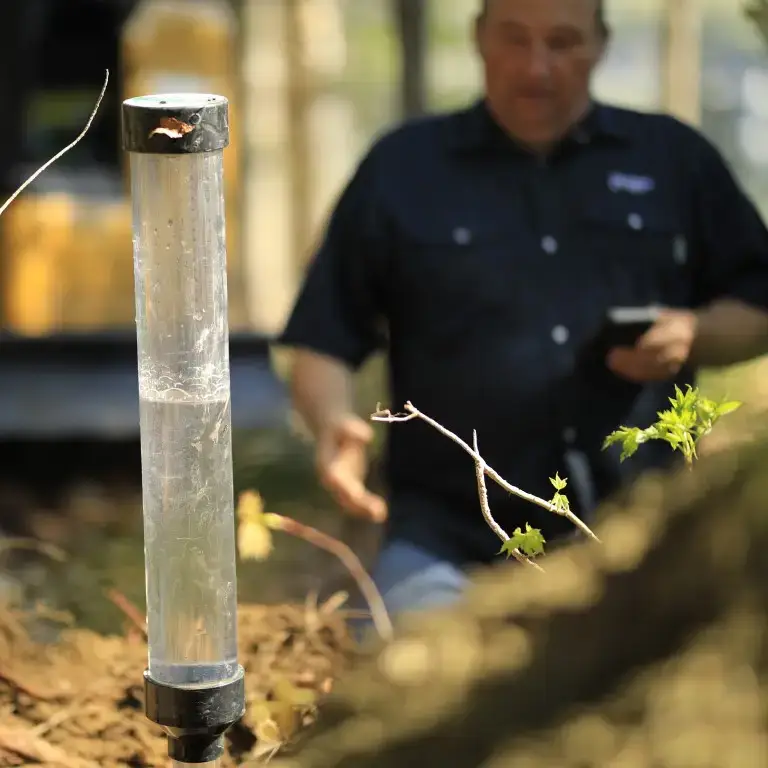
Premier Tech technician performing a soil percolation test.

Percolation rates measure how long it takes for water to pass through the soil. In Canada, results are usually expressed in minutes per centimetre (min/cm).

Acceptable percolation rates for septic systems vary by province. But in general, your land will pass a perc test in most provinces if the result is between 1 and 50 min/cm.

Soil that percolates faster than 1 min/cm may not provide enough contact time to properly treat wastewater. Soil that percolates slower than 50 min/cm may drain too slowly for wastewater to pass through.

Reasons why land fails a percolation test

Certain soil and site conditions can prevent water from draining at a rate suitable for a septic system. The main factors include:

  • Sandy soil
    Sand comes in various grain sizes that affect drainage. Coarse sand can allow water to flow too quickly, while finer sand may slow drainage to the point that water can’t pass through.
     
  • Clay soil
    Clay expands as it absorbs water. This can prevent additional water from passing through, making it difficult for the soil to achieve a safe percolation rate.
     
  • Impermeable soil layers
    Some soil layers don’t allow water to pass through. Water may percolate initially, but once it hits the impermeable layer, it can’t continue downward, causing it to rise back to the surface.
     
  • Shallow bedrock
    Dense bedrock acts like a barrier. Water cannot pass through it, leading to pooling or surface backup.
     
  • High water table
    When groundwater is close to the surface, it can saturate your land and limit the amount of adequate soil available to properly filter and treat your wastewater.
     
  • Seasonal saturation
    Snowmelt or heavy rainfall can temporarily saturate soil and raise the water table, preventing proper drainage and safe wastewater treatment.

Need a septic system
for land that won't perc?

Talk to our experts

Why is the Ecoflo compact biofilter the best septic system for land that won’t perc?

Installing the Ecoflo compact biofilter Pack model on a site with poor soil.

Installing the Ecoflo compact biofilter on a property with poor soil.

Failing a percolation test doesn’t mean you’ve reached a dead end in your building plans — it just rules out a conventional septic system.

If you find yourself in this situation, an advanced septic system designed for challenging soil conditions may be the answer.

The Ecoflo compact biofilter, manufactured by Premier Tech Water and Environment, offers two key advantages that make it an ideal solution for properties with failed perc tests: high treatment performance and resilience in poor soils.

High treatment performance

Properties fail perc tests because the soil or site conditions don’t allow wastewater to be absorbed and treated.

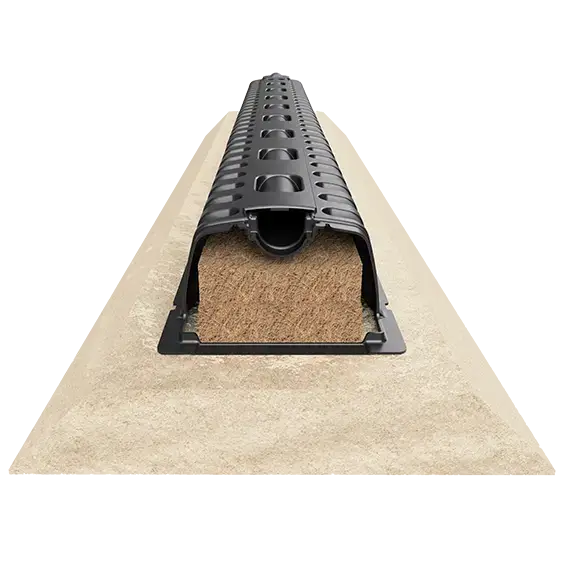
The Ecoflo compact biofilter solves this with a filter made of coco or a combination of coco and peat. The filter provides advanced treatment directly within the biofilter unit. This allows the system to safely treat wastewater on any property — even those that fail a perc test.

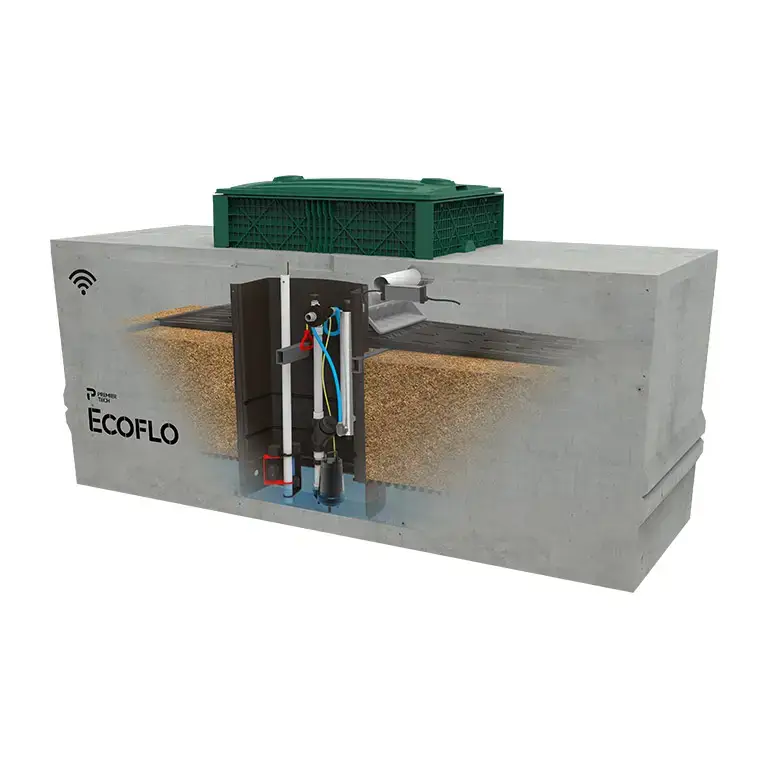
In certain cases, the Ecoflo compact biofilter can bypass soil entirely by discharging effluent to a stream or ditch. This is typically done by adding the Rewatec UV disinfection unit, which can be integrated directly inside the Ecoflo tank.

Resilience to clay and high water tables

Properties with failed perc tests often have clay soil or high water tables. These conditions not only limit the land’s ability to drain wastewater but can also create challenges for septic installations. Clay can compress over time, putting pressure on system components. High water tables can shift systems and stress pipe connections.

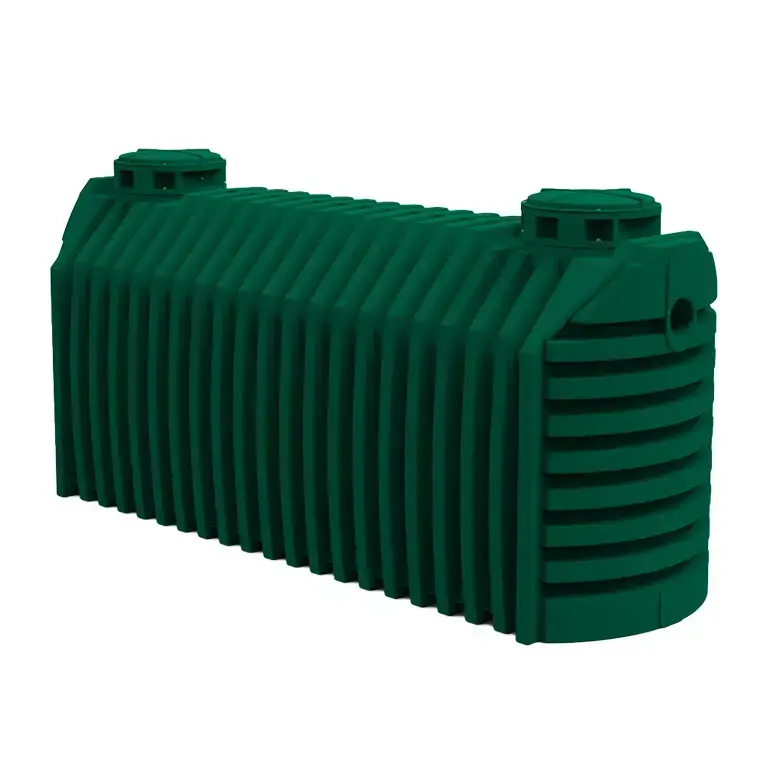
The Ecoflo compact biofilter has concrete models that are designed to handle these challenges. Their structural strength withstands the pressure of clay soil, and their weight keeps the system firmly in place when water tables rise.

Natural, renewable, and compostable coco filtering medium used to treat wastewater in Ecoflo biofilter septic systems.

The heart of the Ecoflo compact biofilter: a filter that uses natural, renewable, and compostable coco fragments.

How does the Ecoflo compact biofilter compare with other septic systems for poor soils?

Choosing the right septic system starts with having the right information. To help you choose the best installation for land that won’t perc, let’s compare the Ecoflo compact biofilter with other alternative systems in three provinces: Alberta, Ontario, and Nova Scotia.

Scenario 1: Ecoflo compact biofilter vs. recirculating geotextile biofilters in Alberta

Recirculating geotextile biofilters are a popular option for properties with poor soil in Alberta.

These systems work by pumping effluent from the septic tank to a biofilter unit. Wastewater is treated as it passes through a layer of geotextile fabric inside the biofilter. A second pump then recirculates effluent from the bottom of the biofilter back to the top for additional treatment. Once the process is complete, effluent is sent to a drain field for final dispersal.

Recirculating geotextile biofilters and the Ecoflo compact biofilter both provide effective treatment, but Ecoflo comes out on top in a few key areas.

  • Energy-free treatment
    Recirculating geotextile biofilters depend on electricity to pump wastewater from the septic tank to the treatment unit. If the power goes out, the system stops working until electricity is restored.

    The Ecoflo compact biofilter is a passive system that treats wastewater without electrical components. It operates around the clock, even during power outages.
     
  • No operational costs
    Recirculating geotextile biofilters continuously pump wastewater between the septic tank and the treatment unit. The energy consumed by the pumps increases total operating costs over time.

    By comparison, the Ecoflo compact biofilter requires no electricity for treatment. If a pump is needed to move effluent downstream, energy use is minimal. When installed without a pump, the system operates with no running costs. Either way, Ecoflo is a better long-term investment.
     
  • Simple, non-mechanical components
    Recirculating geotextile biofilters rely on multiple electromechanical components, including two pumps and a control panel. With more moving parts, these systems require more frequent monitoring and maintenance. Plus, there’s a higher chance that a failed part could interrupt treatment.

    The Ecoflo compact biofilter takes a simpler approach. It uses a non-mechanical tipping bucket that automatically distributes wastewater across the filter. With no pump required for treatment, Ecoflo gives you 24/7 performance in all conditions.
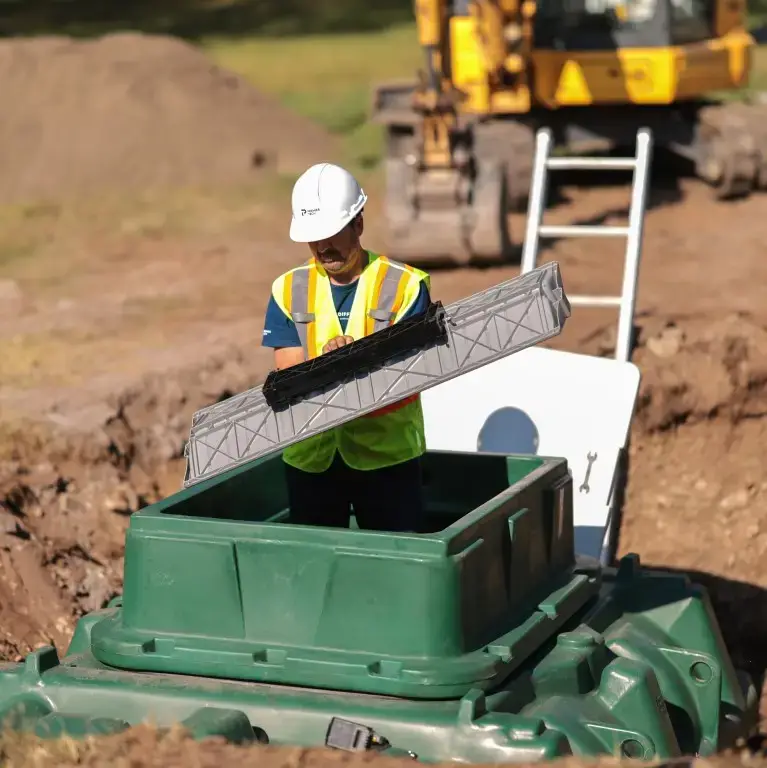
The non-mechanical tipping bucket in the Ecoflo compact biofilter.

The Ecoflo compact biofilter uses a non-mechanical tipping bucket to spread wastewater over the filter.

Scenario 2: Ecoflo compact biofilter vs. geotextile sand filters in Ontario

Geotextile sand filters are a popular option for properties with rocky or poor soil in Ontario.

These systems send effluent from the septic tank to a network of perforated pipes. Wastewater drips though the perforations, then percolates through a geotextile module and a sand layer. These components filter wastewater before allowing it to return to native soil.

Geotextile sand filters can be an effective solution for properties that fail a percolation test. However, the Ecoflo compact biofilter gives you the same benefits with added peace of mind.

  • Easy access
    Geotextile sand filters are buried, with no way to inspect or easily maintain them. Problems may go unnoticed until the system fails, leaving replacement as the only option.

    The Ecoflo compact biofilter is easily accessible thanks to its lid. When it’s time for service or maintenance, we simply open the lid to get direct access to your system’s components.
     
  • Long-term warranty
    Ontario’s leading geotextile sand filter manufacturer includes a warranty that ends after two years.

    By comparison, the Ecoflo compact biofilter is backed by a 10-year warranty on treatment performance. Each time the filter is renewed, the warranty resets. This lets you keep your coverage indefinitely, protecting your investment throughout the life of your system.

Scenario 3: Ecoflo compact biofilter vs. aerobic treatment units in Nova Scotia

Aerobic treatment units (ATUs) are a popular choice for properties with challenging soil conditions in Nova Scotia.

These systems work in three steps:

  1. Wastewater enters the unit’s first compartment, where solids are separated from liquids.
  2. In the second compartment, an air pump supports the growth of bacteria that break down wastewater contaminants.
  3. Remaining solids settle in the third compartment, and treated wastewater is sent downstream for final dispersal.
 

While ATUs can handle some of the challenges of poor soil, the Ecoflo compact biofilter provides similar benefits with more reliable performance over the long term.

  • Lower operating costs
    ATUs depend on a continuously running air pump to break down wastewater pollutants. The electricity used by the pump adds to your energy bills over time.

    The Ecoflo compact biofilter treats wastewater without electricity. If a pump is needed to move effluent to a drain field, energy costs are low. When no pump is required, the system has no operating costs, making it more economical over the long term.
     
  • Reliability for seasonal use
    ATUs rely on a constant flow of wastewater to keep bacteria alive. During periods of non-use, the bacteria can die. When wastewater enters the system again, it may not be treated effectively until the bacterial population recovers.

    Seasonal properties are sometimes left unused for long periods. If your system relies on an aerobic treatment unit, it may not perform as expected when you return.

    That isn’t a problem with the Ecoflo compact biofilter. Its filter maintains a humid environment that supports bacteria year-round, even during periods of non-use. Such consistent performance makes the system perfect for cottages and other seasonal properties.
     
  • More options for septic tanks
    The first compartment of an ATU serves as a septic tank — only smaller. Because of its limited capacity, it fills faster and needs to be pumped out more often. If your household produces more wastewater than usual — like when guests are visiting — the system can overload.

    The Ecoflo compact biofilter gives you more options. It can be connected to a wide range of septic tank sizes, allowing you to choose a setup that fits your household’s needs and helps prevent overloading.

Ecoflo compact biofilter installed near a seasonal cottage.

Unlike ATUs, the Ecoflo compact biofilter offers exceptional performance even after periods of non-use.
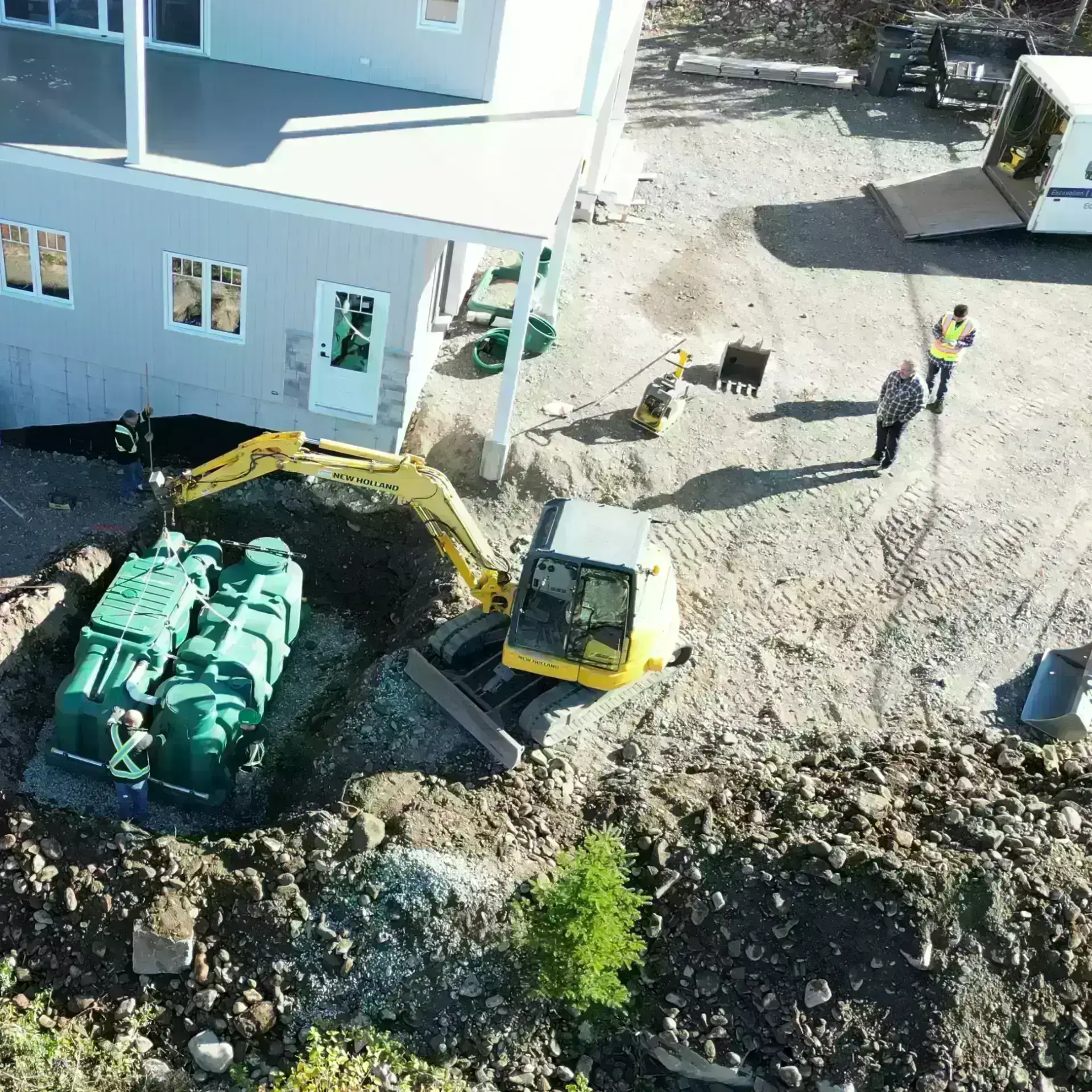
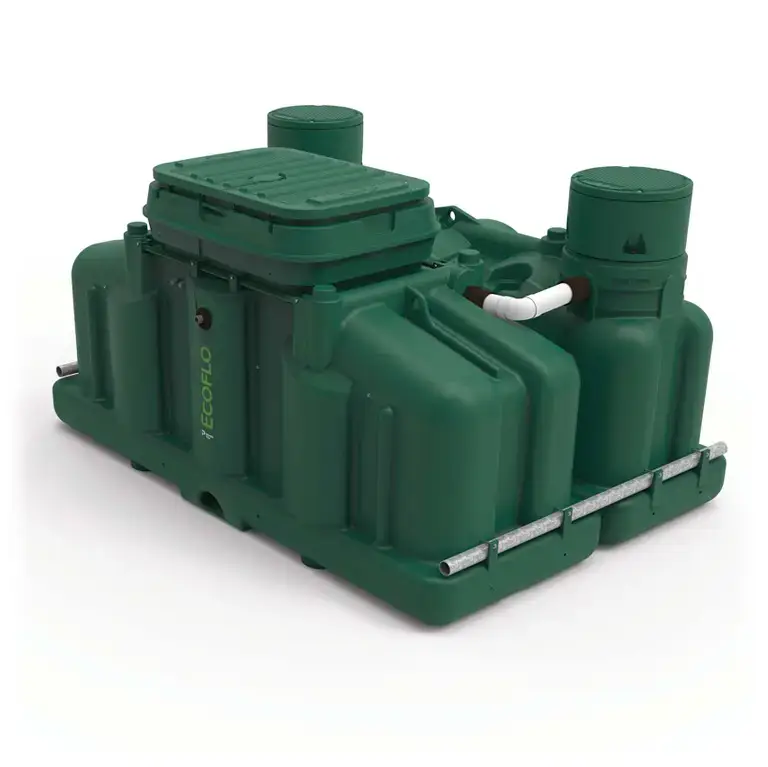
Ecoflo compact biofilter installation.

Building a home but your land won’t perc?

We specialize in compact and fully compliant septic systems for properties with poor soil.

Let us know your needs, and we’ll help you choose the right system for your home, cottage, or business.

* Required

My information

Installation location


Summary of Privacy Notice
Data processing for wastewater estimates

This privacy notice explains the use and processing of your data in relation to your consent to our support in your wastewater project.

We collect:

  • First and last name
  • E-mail
  • Phone number
  • Project type
  • Country
  • Postal code*
  • Address*
  • City

*not required

We provide:

  • Information about our professional partners

We share:

  • External and internal
    • For commercial purposes
    • Within our subsidiaries
  • Your data will not be sold


Exercise your rights: by filling in the form on the website
If you have any questions: please contact us at [email protected]
 

Last update: 2023.09.28

You can consult the full text of the notice here.

Related products