


What to do if sewage is backing up in your home or garden
A sewage backup is one of the most distressing problems you can face as a homeowner. It's unpleasant, stressful, and needs attention quickly.
This guide walks you through the most likely causes and explains what to do next.
Whatever is causing the backup, we've seen it before and we'll help you resolve it.
You have sewage backing up in one room
If sewage or dirty water is rising from one drain — but everything else in your home is working normally — the problem is most likely confined to that single pipe.
Signs that point to a localised blockage:
- sewage or dirty water rising in just one toilet, sink, or bath
- water pools and won't drain, or drains very slowly
- a strong smell coming from the affected fixture
- all other drains and toilets in your home are working normally
A build-up of fat, grease, wet wipes, or debris is the most likely cause. The culprit is rarely your septic system itself.
What to do next
Sewage in your home is always a health risk, even when it's limited to one fixture.
Call a specialist as soon as possible. In most cases, professional drain jetting can quickly clear the blockage.
While you wait:
- avoid flushing, running taps, or using appliances connected to the drain
- keep children and pets away from the affected area until it's been cleared
- do not attempt to clean up sewage without protective gloves and clothing
You have sewage backing up in multiple rooms
If sewage or dirty water is rising in more than one room, the problem is no longer isolated to a single pipe.
Signs that point to a serious problem:
- sewage or dirty water rising in sinks, baths, or showers across multiple rooms
- toilets won't flush or flush very slowly throughout your house
- water rises in one fixture when another is used — for example, your toilet bubbles when the shower runs
- a strong sewage smell throughout your house
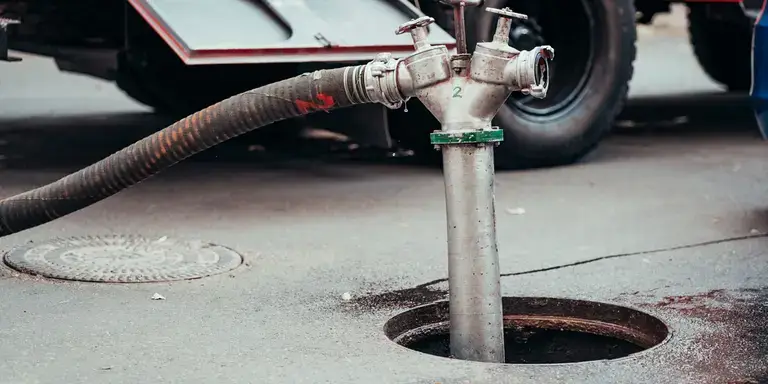
These symptoms usually mean the main outflow pipe from your property is blocked, or your tank is full and can no longer accept wastewater. Either way, sewage has nowhere to go.
What to do next
This is a serious health risk that needs immediate professional attention.
Call a service provider as soon as possible. The longer you wait, the worse the problem will get.
While you wait:
- stop using all water in your home — no flushing, no taps, no appliances
- keep children and pets away from any area where sewage has surfaced
- do not attempt to clean up sewage without protective clothing and gloves
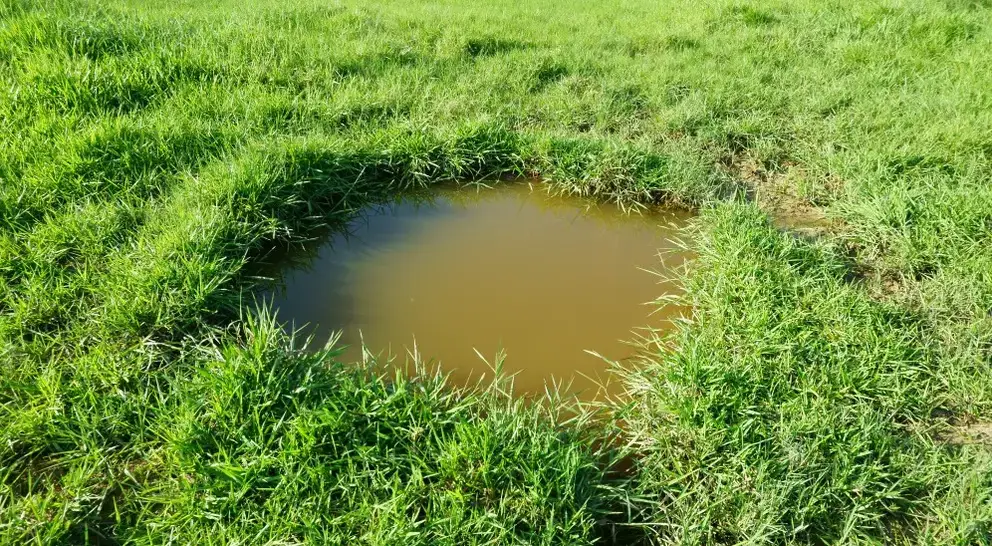
Sewage is surfacing near your tank or drainage field
If you can see sewage or dirty water appearing on the ground near your septic tank or drainage field, your system can no longer contain or process the wastewater it's receiving.
Signs that point to an outdoor overflow:
- pooling or bubbling liquid near your septic tank or drainage field
- a strong sewage smell outdoors
- waterlogged or discoloured ground near your system
- unusually lush or fast-growing grass above your drainage field
This usually points to a tank that needs emptying or is overloaded, a cracked or broken pipe, or a failing drainage field.
What to do next
This is a health and environmental risk that needs immediate attention.
Call a specialist now. The sooner they can assess the situation, the sooner it can be contained and resolved.
While you wait:
- stop using all water in your home
- keep children and pets well away from the affected area
- do not attempt to cover or clear the affected area yourself


Dealing with something less urgent?
You don't need to wait for a sewage backup to get off-mains service. If something doesn't seem right with your system, we're here to help.
