


How to know if you need a new septic system
If your current system has failed, you likely need a replacement. But what if the answer isn't so clear? What if your system is old but still works? Or if you plan to sell your home?
This guide walks you through common triggers for a new system and what to do next.
Remember: you don't have to navigate the process alone. Ecoflo is here to help, and the first step is often free.
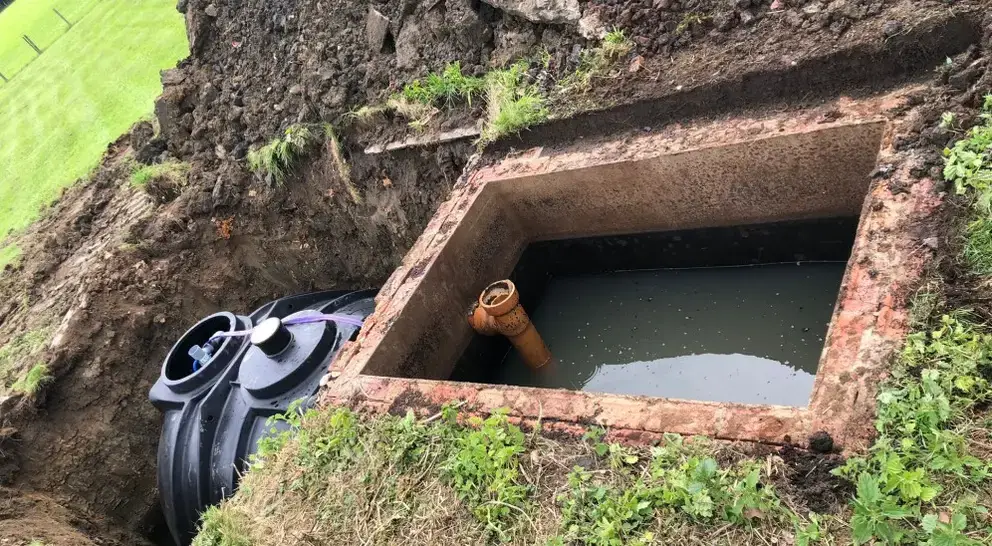
Your system is failing
A failing septic system is the most urgent reason to act. The longer it's left unchecked, the more damage it can cause to your property and the environment.
The signs are usually hard to miss:
- sewage backing up into your home
- pooling water around your septic tank or drainage field
- unusually green or lush grass over your drainage field
- persistent and unpleasant odours
- gurgling drains or toilets
When these symptoms appear, people often hope the problem will go away on its own. It rarely does. A failing system tends to get worse.
In some cases, targeted repairs can extend the life of an existing system. But when the failure is structural — a cracked tank or a blocked drainage field — replacement is usually the right call.
Either way, the key is to act quickly. The longer a failing system goes unchecked, the harder and more expensive it becomes to fix.

Your system doesn't meet current regulations
Since January 2020, the General Binding Rules have prohibited septic tanks from discharging directly to surface water, including streams, rivers, ditches, and drains that lead to watercourses.
Many older systems were installed before these rules existed and have never been brought up to code.
You may have a compliance issue if:
- your septic tank discharges directly to a stream, ditch, or watercourse
- you never had your system assessed against current regulations
- you've been contacted by the Environment Agency
Left unaddressed, non-compliance can affect your ability to sell your property and, in serious cases, result in enforcement action.
Thankfully, a full replacement isn't always necessary. In many cases, connecting the Ecoflo sewage treatment plant to your existing septic tank is enough to bring your system into compliance.
It's best to organise a site assessment to understand your options.
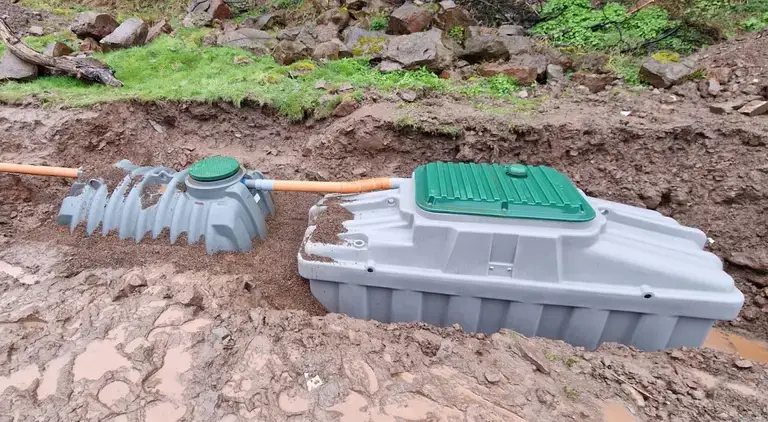
Your system is ageing or at end of life
Septic systems don't last forever. Most are designed to last several decades, but age, usage, and ground conditions all take their toll.
Unlike a failing system, an end-of-life system may show no obvious symptoms. It still drains, there are no odours, and nothing seems wrong. But an ageing system is more likely to fail without warning — and when it does, the timing is never convenient.
Your system may be nearing the end of the line if it:
- has been in place for 30 years or more
- requires increasingly frequent emptying or repairs
- has an unknown age or service history
In some cases, replacing a component can significantly extend the life of your system. In others, a full replacement is the most practical and cost-effective solution.
A site assessment will tell you where you stand.
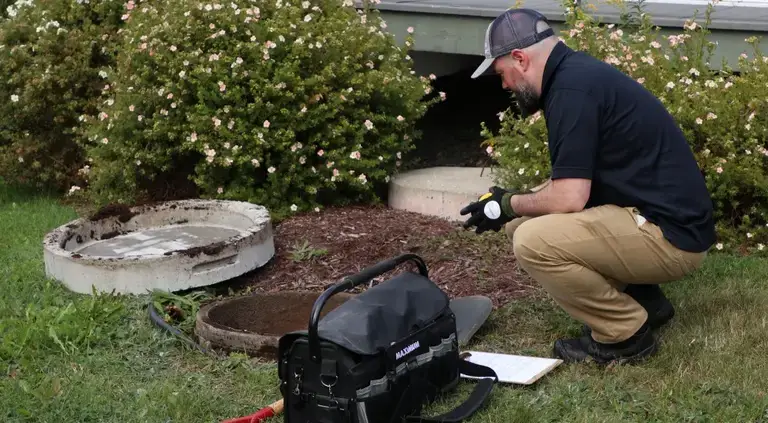
You're planning an extension or expecting more occupants
A septic system is designed to handle a specific volume of wastewater. When your output increases — because of a home extension, a conversion, or more people living at your property — the existing system may no longer have sufficient capacity.
You may be in this situation if:
- you're planning a home extension or loft conversion
- you're converting an outbuilding into a living space
- you're expecting more permanent occupants
- you've noticed your system struggling since your household grew
The consequences of an undersized system are gradual rather than dramatic. Your septic tank needs to be emptied more often. You start to notice odours. And over time, your drainage field becomes overloaded and saturated.
In some cases, expanding your drainage field or upgrading a single component is sufficient. In others, a full replacement is the more practical solution.
A site assessment will confirm what your property can support and if any changes are needed.

You're separating from a shared system
Some properties share a single septic system with one or more neighbours. The setup made sense when the system was installed, but it can create complications over time.
You may be in this situation if:
- the shared system is failing or non-compliant and you want your own solution
- you're selling your property and a buyer has raised concerns about the shared arrangement
- a neighbour is selling and the shared system needs to be resolved before the transaction completes
A shared system means shared responsibility — and shared risk. If the system fails or falls out of compliance, all connected properties are affected.
Separating gives you full control over your own drainage and removes your dependence on a neighbour's cooperation for maintenance, repairs, and upgrades.
In most cases, separation requires installing a completely new system for your property.
A site assessment is the first step. It will confirm whether separation is feasible and what it would involve.


Still not sure if you need a new system?
Every septic project is different. If you're still not sure whether you need a new system — or where to start — we're here to help.
