


Your options if your septic system is non-compliant
Finding out your septic system is non-compliant can be worrying. But with the right help, it's less daunting than it first seems.
This guide explains what non-compliance means, what your options are, and what to do next.
Whatever your circumstances, we can help you find the most practical route to a compliant system.

How most homeowners find out their system is non-compliant
Your off-mains system may have been flagged as non-compliant because:
- a technician mentioned it during a service visit
- a solicitor or surveyor raised it during a property transaction
- you share a system with a neighbour and the issue has come up
- the Environment Agency contacted you directly
- you read about the General Binding Rules and suspect your system may be affected
If any of these apply to you, you're in the right place.
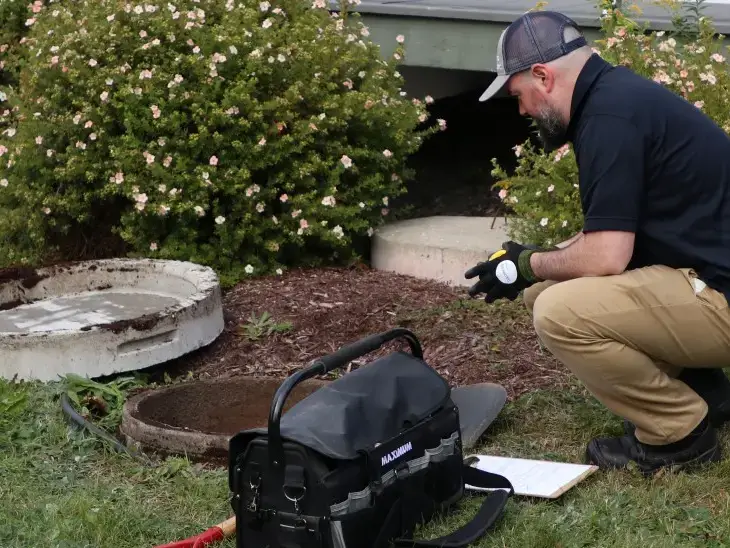
What non-compliance actually means
A septic system is non-compliant when it no longer meets the environmental standards set by the General Binding Rules. These are the regulations that set out how off-mains drainage systems must operate in England and Wales.
The most common reason is straightforward: your system discharges directly to a watercourse rather than to a properly designed drainage field. Since January 2020, this is no longer permitted.
Non-compliance doesn't always mean your system has failed. A system can appear to be functioning normally and still be non-compliant.
The key factor is the level of treatment. A septic tank provides only basic treatment — not enough to make wastewater safe for direct discharge into a river, stream, or ditch.

A non-compliant system is worth addressing sooner rather than later
There is a legal obligation to address a non-compliant system. The Environment Agency expects homeowners to have plans in place within a reasonable timescale — usually 12 months from when the issue is identified.
It's also important to understand why the rules exist. Improperly treated wastewater causes real harm when it reaches a river or stream. It affects the water, the wildlife, and the wider environment.
There are practical reasons to act promptly too. A non-compliant system needs to be resolved before you can sell your property. The problem won't go away on its own. Acting sooner rather than later gives you more time, more options, and less pressure.

Improperly treated wastewater can have dramatic effects on water quality.
The most common ways to bring your system into compliance
Having a non-compliant system brings up an obvious question: what do I do about it?
The answer depends on your property. The age and condition of your existing tank, your available space, your soil conditions, and where your system currently discharges all play a part.
For most non-compliant systems, there are three paths forward:
- Add a secondary treatment stage
In many cases, a full replacement isn't necessary. Connecting the Ecoflo compact biofilter to your existing septic tank can be enough to bring your system into compliance. This is often the least disruptive option, provided your tank is in good condition. - Replace your system entirely
If your tank is old or damaged, a full replacement is likely the right call. What the new system looks like will depend on the characteristics of your property. - Redirect wastewater to a drainage field
Rather than discharging to a watercourse, the wastewater from your tank can be directed into the ground instead. This is only possible if you have sufficient space and suitable soil conditions.
Before you can find the right solution, you need a full picture of your site. That's exactly what our free site assessment is designed to do.
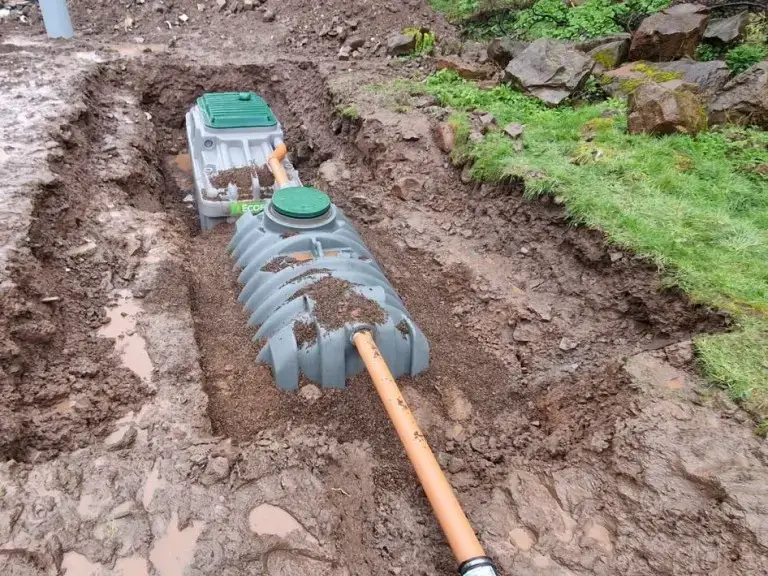
The Ecoflo biofilter is a "bolt-on" solution that can help you avoid a full system replacement.

Take the first step toward a compliant system
Our free site assessment gives you a clear picture of how to bring your system into compliance. No judgment, no obligation — just honest help.
