


Your options if you want to separate from a shared septic system
Shared off-mains systems can work well — until they don't. When a shared arrangement becomes a source of frustration, expense, or conflict, having your own system becomes the obvious answer.
This guide explains what separation involves, what your options look like, and what to do next.
Whatever your situation, we can help you put the shared arrangement behind you for good.
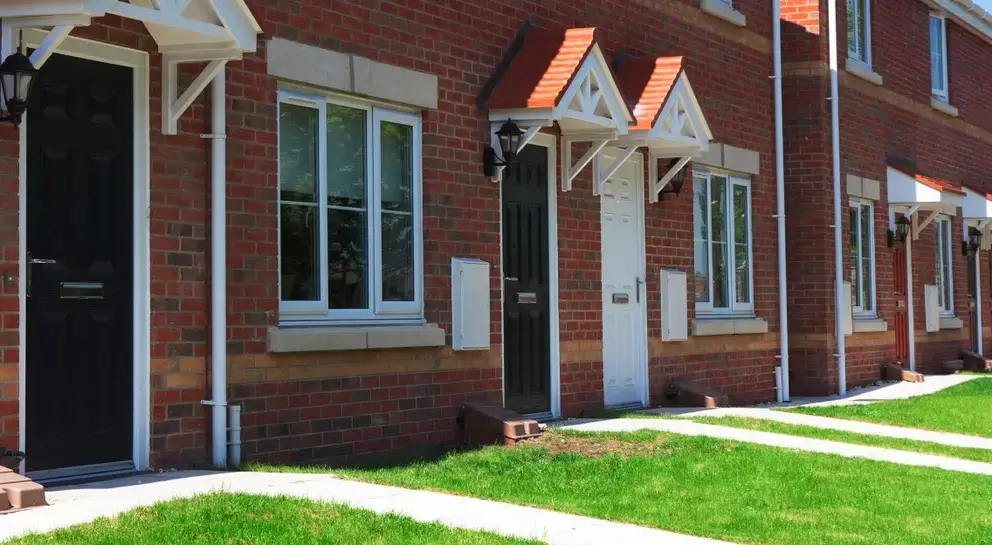
Why homeowners decide to separate from a shared system
You may decide to separate from a shared off-mains system for all sorts of reasons:
- your neighbour won't contribute to maintenance or emptying costs
- the shared system needs upgrading and you can't agree on how to fund it
- a change of neighbour has made a previously workable arrangement difficult
- you are planning to sell and want an independent system that won't complicate the transaction
- you inherited the shared arrangement and now want your own system
If any of these apply to you, you're in the right place.
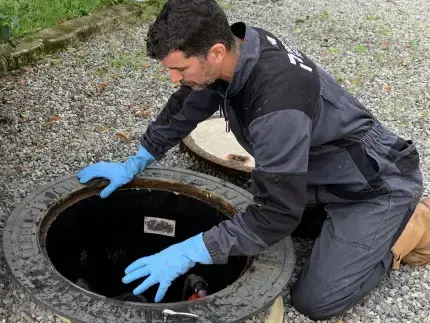
Regular upkeep and its costs can be a sticking point with shared arrangements.
What separating from a shared system actually means
If you've decided to disconnect from your shared septic system, the good news is that's achievable. You simply need a new off-mains installation — one that is designed specifically for your property only.
In practice, that means your own tank and drainage field on your land. From the moment your new drainage system is operational, you are fully independent.
Your proposed system will need to meet the General Binding Rules. These regulations govern all new off-mains installations in England and Wales, and they influence the type of system your site can support.
The legal side of separating from a shared system
Before you can separate from a shared system, you need to understand exactly what the deeds say about easements or rights of access.
Your solicitor is the right person to guide you through this. They can confirm what's in the deeds, identify any obligations tied to the shared arrangement, and advise on what needs to be resolved before your new system can be installed.
The disconnection itself may also require a degree of coordination with your neighbour — especially if the shared system sits on their land. Again, your solicitor can advise on how to handle the situation properly.
Getting this sorted early means your installation project can move forward without interruption.

The most common configurations for a separated system
The right system for your plot depends on your soil conditions, the land available for a drainage field, and its proximity to property lines, buildings, and watercourses.
Space is often the biggest challenge. A constrained garden — a common feature of plots that share a system — can make it difficult to find room for your new drainage field.
Still, separation is achievable in most cases and generally follows one of three paths:
- A sewage treatment plant with a standard drainage field
If your plot has sufficient space and suitable soil, this is the most straightforward configuration. The treatment plant processes your wastewater on site, and the treated water disperses into the ground through a drainage field. - A septic tank with the Ecoflo compact biofilter and a smaller drainage field
Where space is limited, a septic tank combined with the Ecoflo compact biofilter treats wastewater to a higher standard — which means the drainage field required is much smaller. This makes separation possible if your site can't support a standard drainage field. - A sewage treatment plant with an alternative discharge route
Where a drainage field isn't possible at all, you may be able to discharge properly treated wastewater into a nearby watercourse instead. This requires an Environmental Permit and is less common, but it is a viable path in some cases.
To know which of these is right for your property, you need a clear picture of your site. That's exactly what our free site assessment is for.
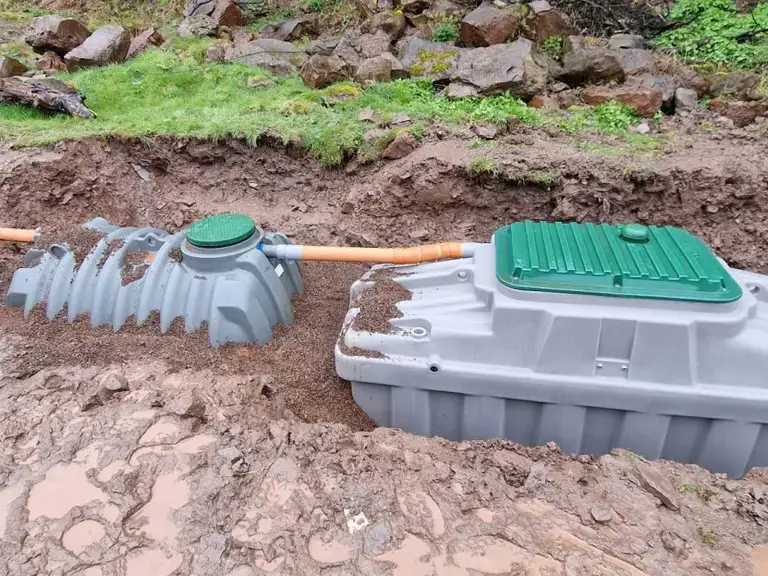
Connecting the Ecoflo biofilter to a septic tank can significantly reduce the size of your drainage field.

Take the first step toward your own system
Our free site assessment gives you a clear picture of how to separate from a shared septic system. No jargon, no obligation — just honest help.
